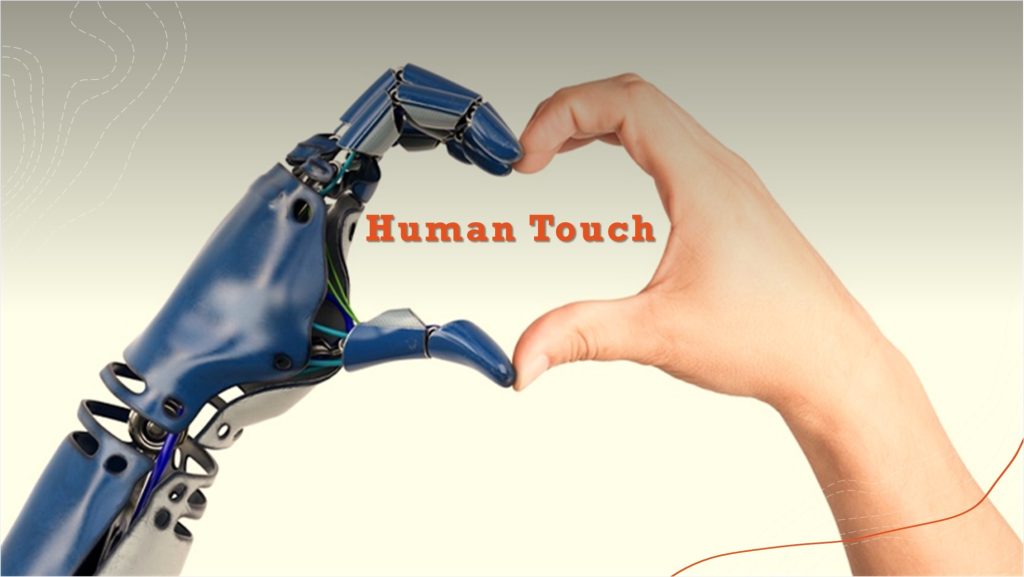
The Art of Listening: How Tech is Learning Our Emotions

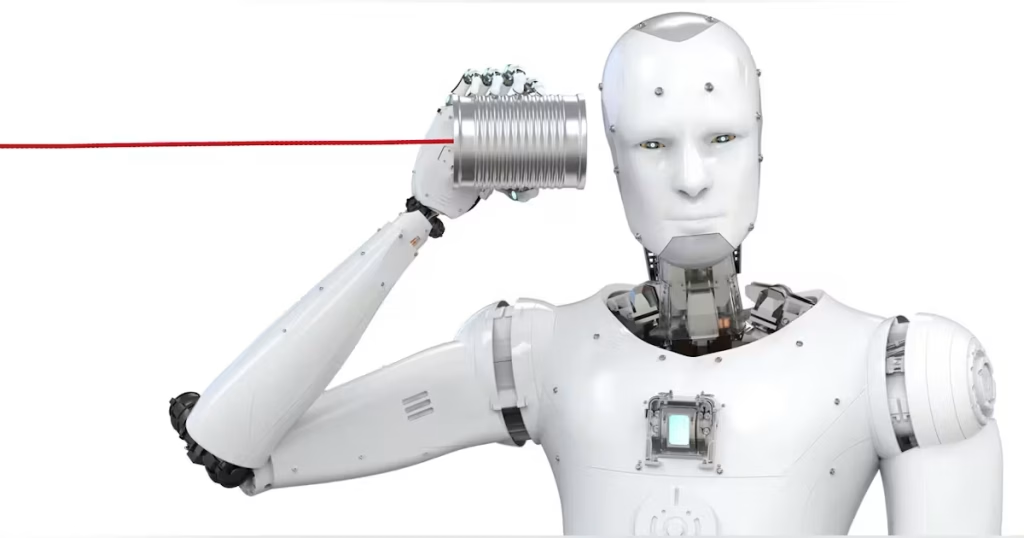

The Art of Listening: How Tech is Learning Our Emotions
Picture this: you’re having the kind of day where everything goes wrong. You spill coffee on your crisp white shirt, miss the bus, and your phone refuses to recognize your face (as if it’s saying, “I don’t know you in this mood!”). You wish there was someone or something that really understood you. Enter AI—our mindful machines, trying their hardest to decode our complex human emotions.
The Quiet Revolution: How AI is Interpreting Emotions
In today’s tech-centric world, AI is like that cool new kid in school, always surprising us with new talent. We’re continually amazed by its potential to recognize patterns, adapt, and at times, even predict our needs better than our well-meaning family members who, let’s admit, can sometimes miss the mark. But the million-dollar question remains: can AI truly understand our emotions? And perhaps more importantly, do we want it to?
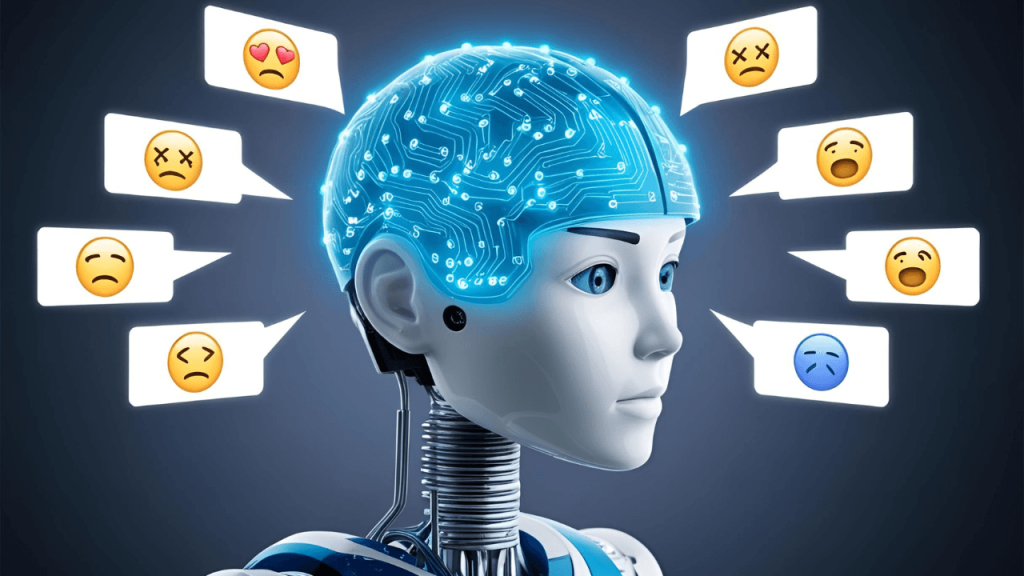
The Connection Between AI and Our Emotions
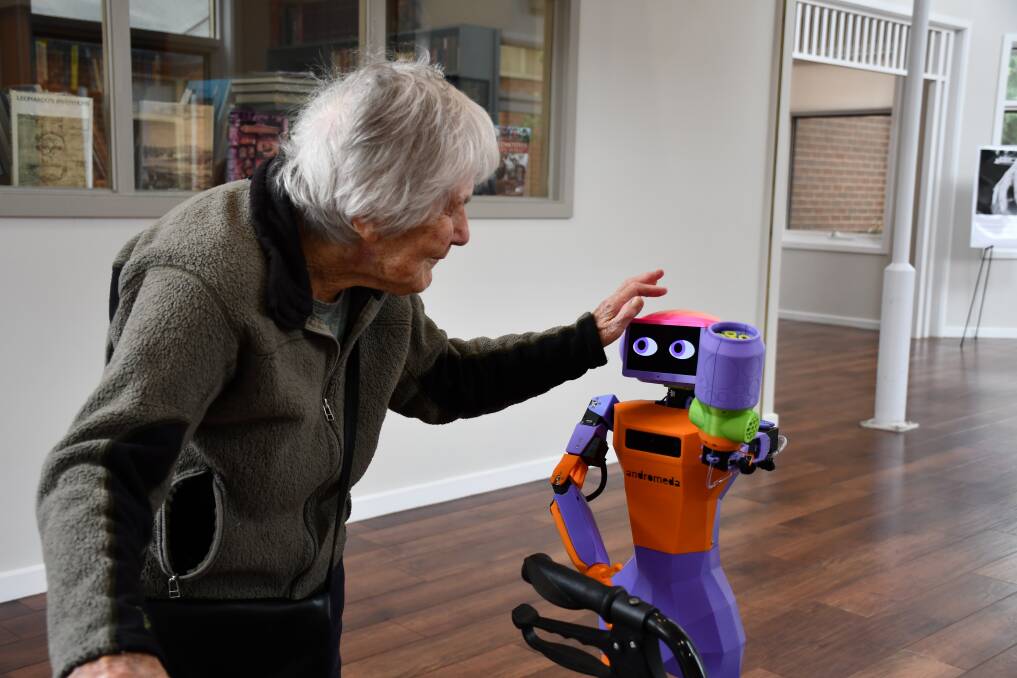
AI is rapidly evolving, thanks to emotional intelligence—this is tech trying to learn empathy. Imagine teaching a robot the nuances of a sarcastic smile or a sigh of frustration. It’s like parenting your teenager, isn’t it? Challenging and unpredictable. Yet, emotional AI is diligently learning from us. From interpreting text nuances in chatbots to detecting emotional cues in virtual assistants, these mindful machines attempt to become more than just a sounding board.
Think of your interactions with Alexa or Siri. Now, when you ask Alexa to play music to match your mood, it’s working to decipher if you really want sad love ballads or just a playlist that screams “hang in there!”—without simply resorting to playing “Yesterday” by The Beatles (again).
The Achievements: AI’s Empathetic Side
Don’t be surprised if the next time you interact with a chatbot, it responds in a way that feels almost… human. Some emotion-recognition tools are already adept at analyzing facial expressions and vocal tone. They’re like that friend who knows you haven’t had your morning coffee just by looking at your face.
For example, companies are integrating AI into customer service to not just resolve issues but to do so with a touch of empathy. Ever noticed how your frustration with a service can invoke more perceptive responses? That’s because these bots are analyzing text for emotional indicators. It’s like having a conversation with someone who actually listens, unlike your selective-hearing dog.

The Shortcomings: AI’s Learning Curve
While AI is on the cusp of an emotional breakthrough, it’s not without its challenges. These machines are yet learning to differentiate real emotions from what we might call a facade. I mean, how does one teach a robot that the smile you give your boss isn’t the same as the one you give when seeing your dog after work?
For now, AI can detect a frown, but inferring whether it’s from sadness or deep concentration is where tech takes a raincheck. Emotional intelligence in AI is still a student in the school of human study, navigating the learning curve with determination, despite its occasional blunders.
Emotional Intelligence vs. AI Empathy
True emotional intelligence—be it in humans or AI—relies on understanding context. Imagine gifting a human an avocado when they say they feel “green”; they may laugh, but an AI might just double down with an online order. This lack of nuanced empathy is where emotional AI often parts paths with human understanding.
There’s also the question of privacy, as these tools need to analyze personal interactions carefully. It’s like having a diary that quietly watches you, without turning into a tattletale—ensuring our emotions remain ours, even in a world figuring them out.
Conclusion: The Future of AI and Human Emotion
As AI continues on its quest to grasp the art of listening, the implications are both vast and profound. On one hand, we’re potentially nearing a future where your virtual assistant may not only schedule your day but offer real comfort—even reminding you that spilling coffee isn’t the universe plotting against you.
However, the real victory comes in teaching AI to not only respond to our words but to truly listen. The journey of AI and emotions is still unfolding, much like our daily struggles with stubborn machines (here’s looking at you, coffee maker).
As we stand on this emotional precipice, let’s smile at the possibilities: a future where AI understands us, with all our quirkiness intact, and maybe, just maybe, shares a giggle at our little life blunders too. After all, isn’t laughter the best form of understanding? Here’s to AI getting that memo soon!