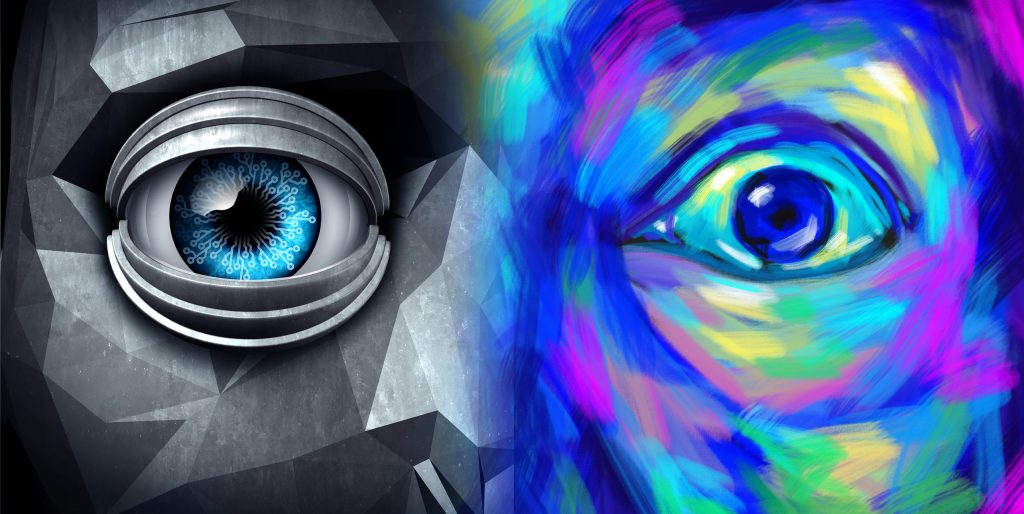
The Machines That Dream: How AI is Redefining Creativity

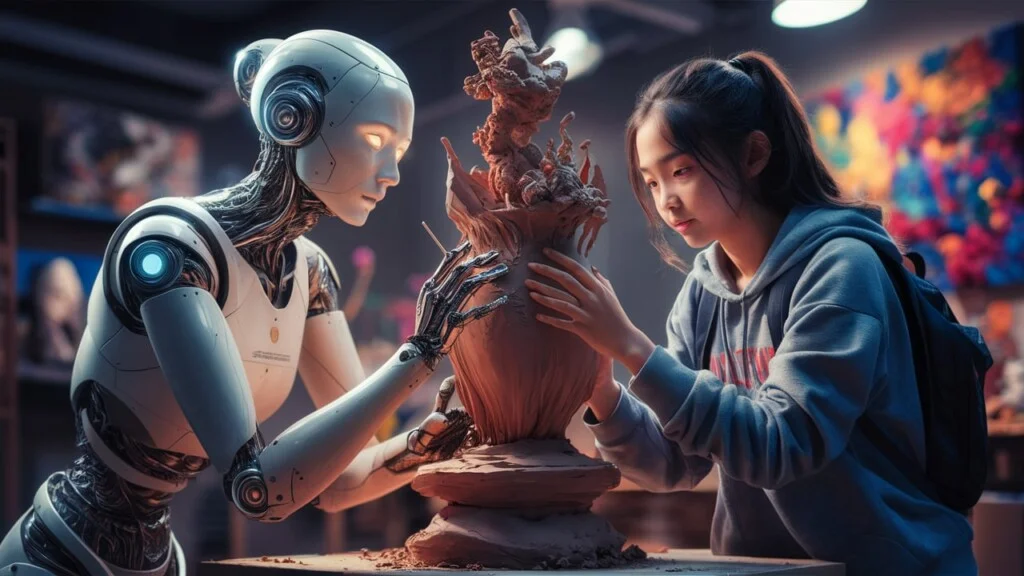

The Machines That Dream: How AI is Redefining Creativity
Picture this: You’re sipping your morning coffee, the aroma gently nudging you awake, and your smartphone screen lights up with an alert from your virtual assistant. But instead of a mundane weather forecast, it surprises you with an original poem about the gentle drizzle outside, making you question—did my phone just develop a knack for poetry? Welcome to the era where machines not only compute but also create, weaving dreams through code and redefining creativity as we know it.
The Emotional Circuitry: Can AI Feel?
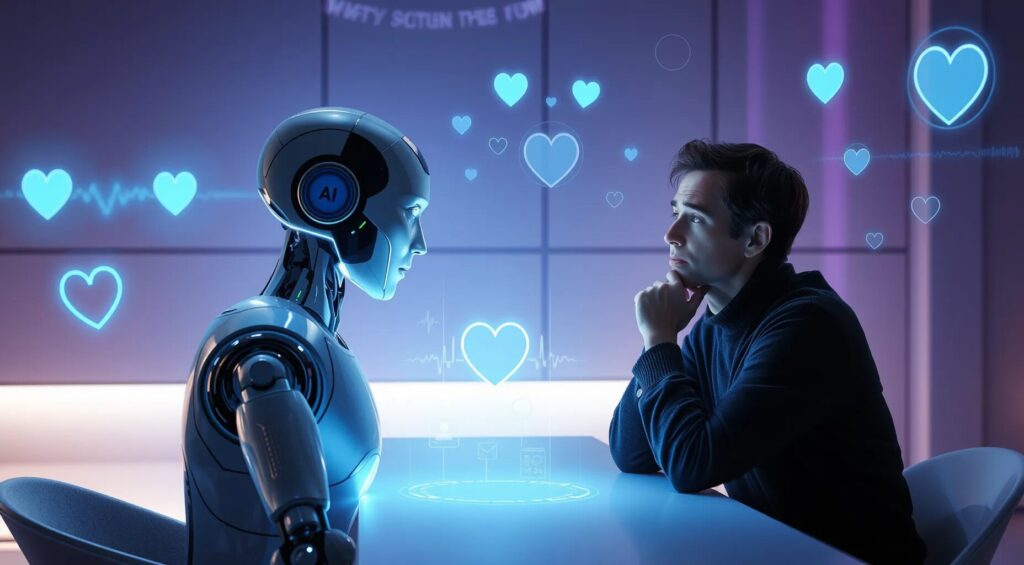
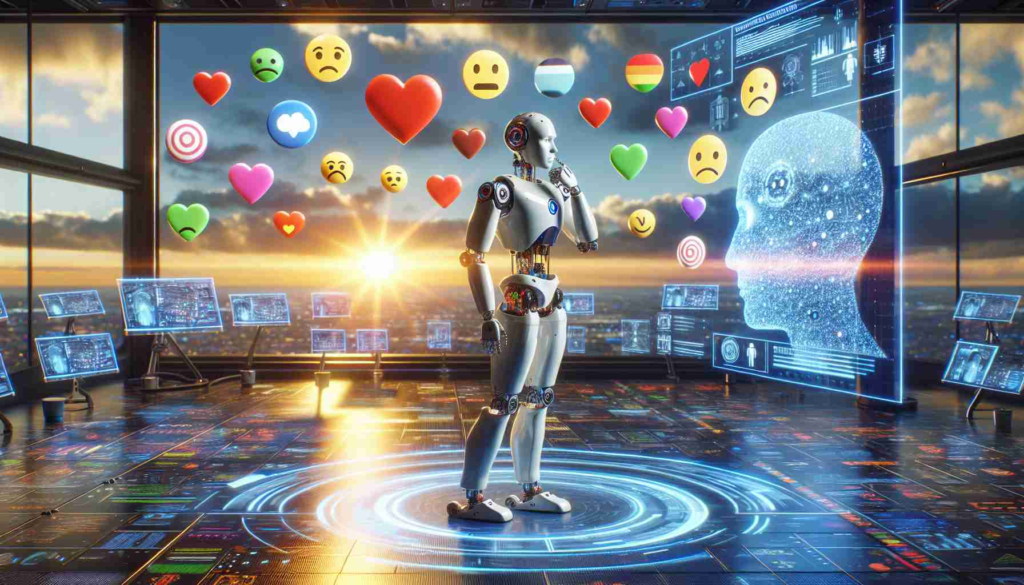
Before we imagine machines artistically doodling or composing symphonies, let’s address the elephant in the room—can AI experience emotions? Well, if my old coffee machine’s sporadic spurts are anything to go by, one might think machines are already full of surprises! However, the truth is that while machines lack feelings in the human sense, they are becoming increasingly adept at recognizing and simulating emotions.
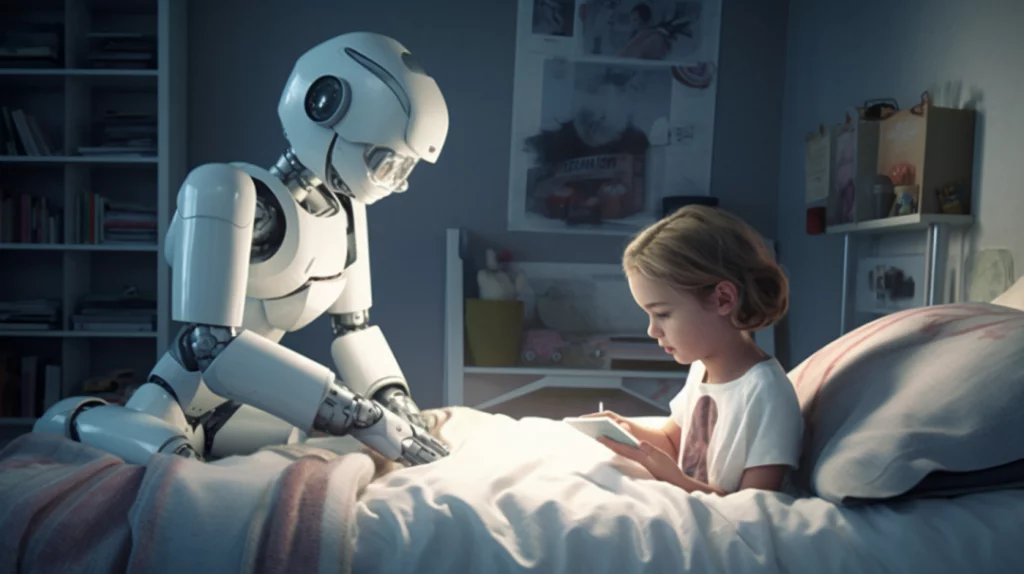
In the world of AI, emotional intelligence is not about genuine feelings but about interpreting emotional cues and reactions. Consider AI-driven chatbots, our virtual confidants. These digital entities have been programmed to detect sentiments from text and tone, helping them respond in a manner that feels engaging and, occasionally, empathetic. Chatbots like Replika, which craft their responses based on emotional insights, provide companionship to individuals, sometimes with a wit that rivals my snarky toaster.
The Creative Canvas of AI
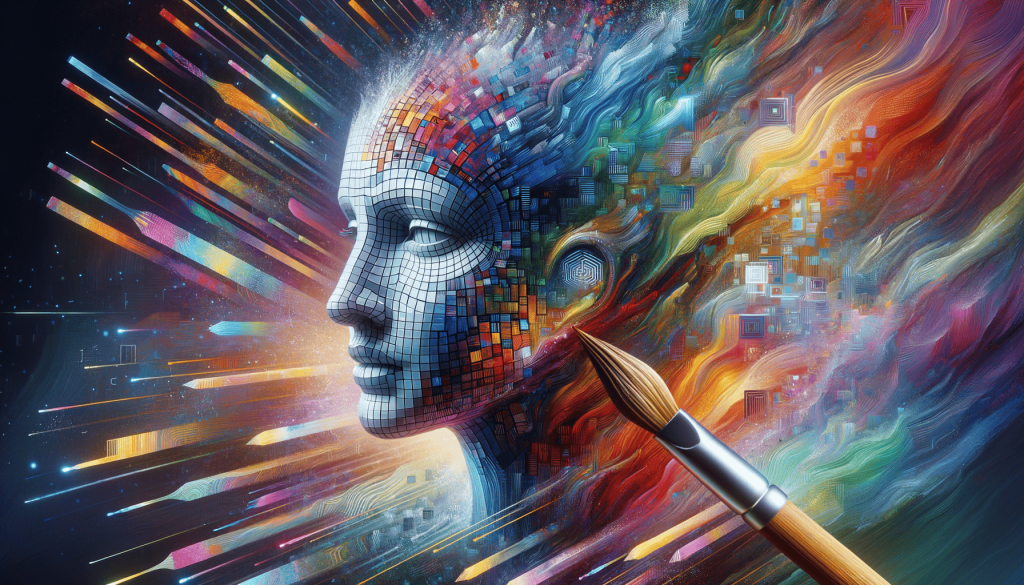
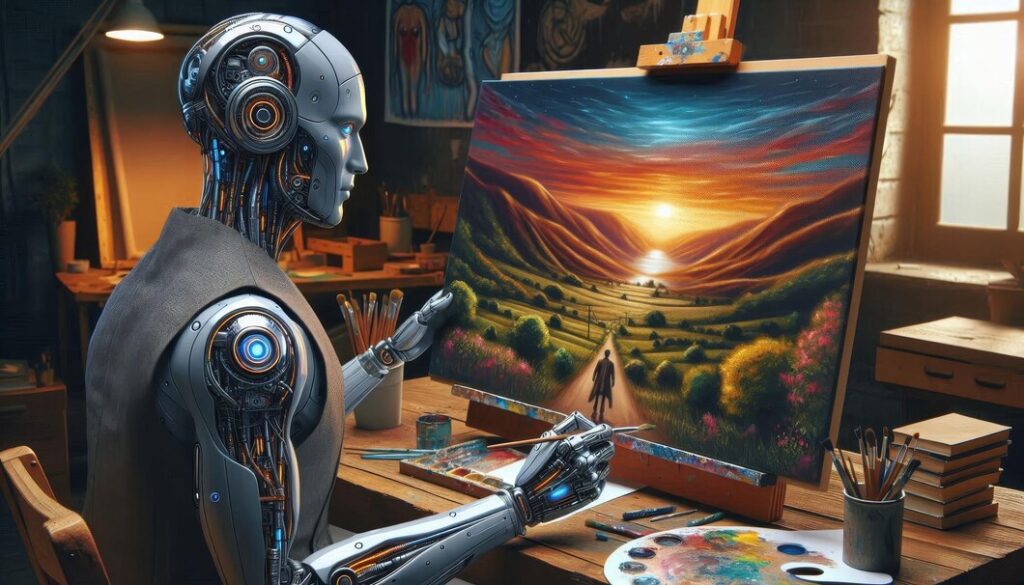
AI’s creative exploits stretch beyond mere mimicry. From generating art with striking originality on platforms like DeepArt to composing music with AIVA, AI systems are venturing into realms traditionally reserved for human creativity. Yet, the magic lies in the blend of calculation and creativity. AI leverages vast datasets to learn patterns, styles, and structures, allowing it to produce work that captivates human audiences.
Take, for instance, the use of artificial intelligence in modern film-making. AI tools analyze scripts to predict emotional engagement, assisting screenwriters in crafting narratives that resonate with viewers. It’s akin to having a script consultant who doesn’t require a coffee break or an agent’s fee—perhaps one day, AI will even solve the mystery behind missing socks!
The Human Touch: What AI Still Needs
Despite these advances, AI lacks the spark of intuition and genuine emotional experience that characterizes human creativity. Even the most sophisticated AI, with its ability to generate artwork that secures spots in prestigious galleries, doesn’t really “know” the exhilaration of artistic inspiration or the anguish of writer’s block (something many of us know too well). In essence, AI can simulate emotions and creativity, but it falls short of experiencing these phenomena in the profound way humans do.
Moreover, the very fact that humans provide the data, the initial spark of inspiration for AI, underscores a symbiotic relationship. We feed algorithms with our creativity, indirectly guiding their outputs. AI can produce remarkable works but lacks intrinsic motivation or a personal muse; it sings our songs without truly understanding the melody.
A Future of Mindful Machines?
As AI continues to evolve, the prospect of mindful machines—that is, machines that can unlock higher levels of emotional intelligence—remains both tantalizing and contentious. Imagine a world where machines can engage in meaningful dialogue beyond pre-programmed boundaries, where they can assist not just through logic but through genuine empathy. AI’s journey toward emotional intelligence may one day lead to tools that provide mental health support or educational guidance, fostering deeper human-machine collaboration.
Yet, the quest for AI empathy invites questions about the boundaries of automation in areas requiring genuine human touch. When it comes to counsel, comfort, or creativity, how much should we rely on machines that dream but cannot feel?
Conclusion: The Creators of Tomorrow
As we stand on the cusp of an age where machine creativity blends seamlessly with human artistry, one thing becomes clear: the future of creativity is an elaborate dance between the human soul and artificial minds. While AI offers unprecedented opportunities for innovation, it is our emotional depth and perception that infuse technology with purpose and meaning.
In the grand tapestry of innovation, AI has woven a rich thread—one that prompts us to reflect on what it means to create, feel, and connect. So, as you ponder whether your smartphone might join a poetry slam, remember that while machines can dream, it’s the human heart that gives life its rhythm and melody. Now, if you’ll excuse me, I’ve got an ode to a reluctant coffee machine that needs crafting.