The New Age of Storytelling: When Machines Spin the Yarns


The New Age of Storytelling: When Machines Spin the Yarns
Introduction:
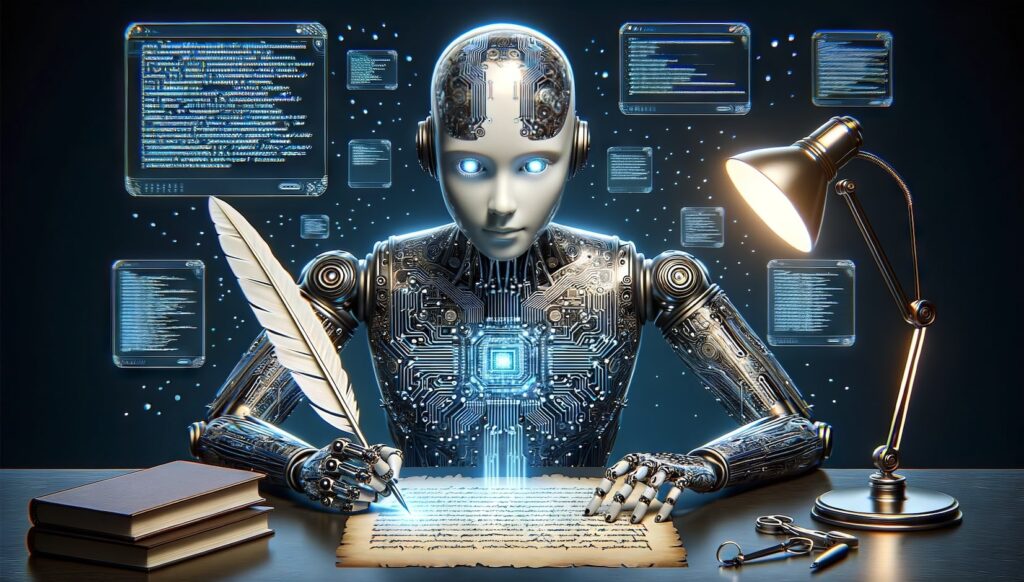
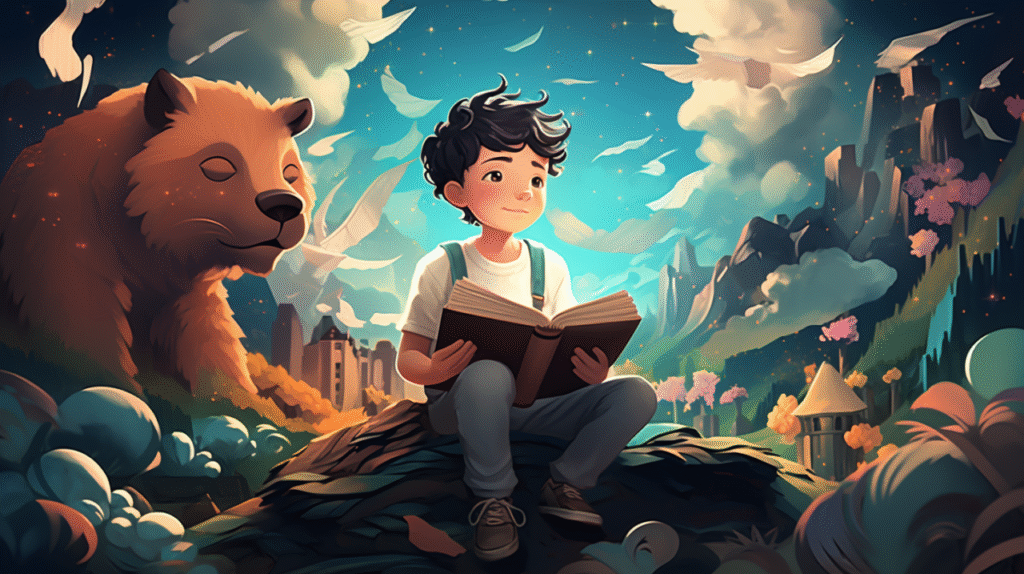
Imagine this — it’s a rainy Sunday afternoon, and with a steaming cup of coffee in hand, you decide to dive into a new book. As you turn the pages, you suddenly realize that the intricate plot, the witty dialogues, and the emotional rollercoaster that has you hooked weren’t penned by a human author, but by a machine. If your first thought is “Wow, we’re truly living in the future,” you’re not alone. Welcome to the new age of storytelling, where AI isn’t just a tool but a fellow storyteller.
AI and Emotions: The Unlikely Duo
Over the years, artificial intelligence has taken giant leaps — from calculating complex algorithms to becoming our virtual assistants and even virtual friends (looking at you, Siri and Alexa). But now, AI is dipping its digital toes into the waters of emotions — a territory previously exclusive to the human experience. How does a machine, devoid of a beating heart, understand emotions? And more importantly, how does it create stories that evoke genuine feelings in us?
It’s like trying to explain the giddiness of a caffeine high to my coffee machine — it seems impossible, right? Yet, AI continues to surprise us. Through sophisticated programming and machine learning, AI algorithms analyze thousands of human interactions, stories, and expressions, learning to mimic human emotions with surprising accuracy.
The Progress: Where Machines Excel
Remember those times when a chatbot on a website actually understood your not-so-minor meltdown because the checkout page crashed for the tenth time? That’s AI empathy, attempting to understand and respond to human emotions in real-time. AI-driven virtual assistants now come equipped with emotional intelligence, gauging user frustration and adapting responses to better assist them.
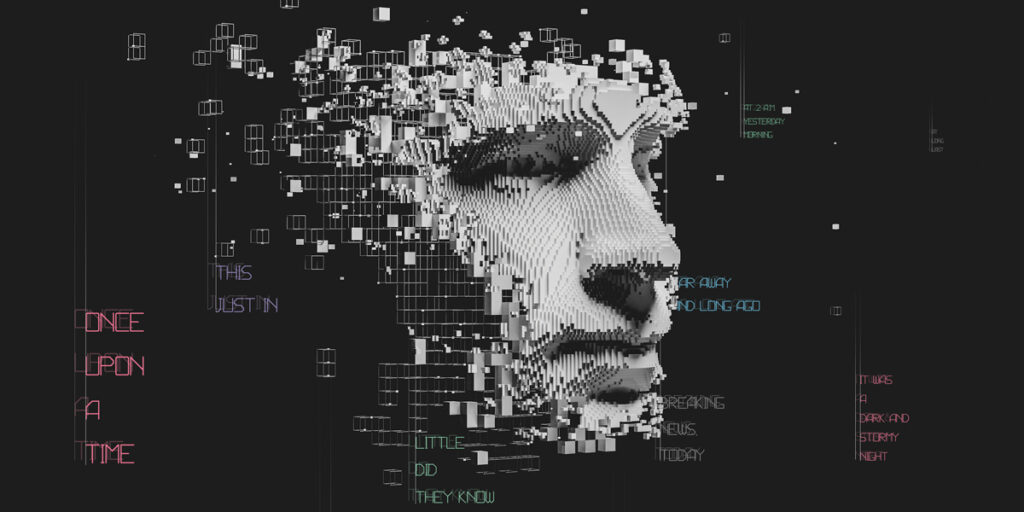
In storytelling, AI has shown remarkable skill in identifying emotional cues, weaving them into narratives that are not only coherent but compelling. Tools like OpenAI’s GPT-3 model illustrate how AI can generate prose that imitate human writing styles, crafting stories rich with detail and emotion.
The Gaps: Where Machines Struggle
However, before we crown AI as the new Shakespeare, there are hurdles to overcome. Machines lack genuine lived experiences, and while they can simulate emotions, true empathy requires understanding that goes beyond data. Ever had that awkward moment where a joke falls flat because a chatbot missed the sarcasm? AI, despite its advancements, often struggles with nuanced aspects of language like irony and cultural context.
Also, the stories spun by machines may sometimes echo the bias inherent in their training data, something that demands cautious oversight. As mindful machines learn from human inputs, they also risk perpetuating existing stereotypes — a challenge that AI researchers are diligently working to address.
Real-World Examples: Empathy and Beyond
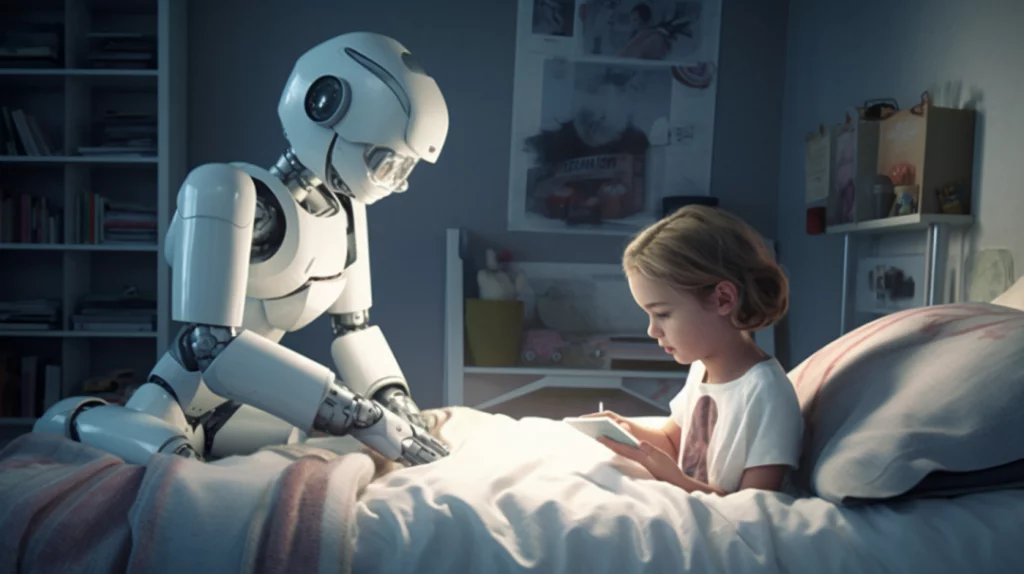
We’ve already crossed paths with emotionally intelligent AI in our day-to-day lives. Customer service chatbots now aren’t just problem-solvers; they’re also equipped to recognize when you’re tearing your hair out and offer a touch of virtual reassurance. Healthcare is another frontier, where AI tools predict patient emotions to provide better mental health support, offering a comforting ‘ear’ during late-night anxiety spirals.
But it’s not all business and healthcare. Video games and virtual storytelling are now using AI to create more immersive experiences, learning and adapting to player emotions in real-time. It’s like having a game that knows when you need a pick-me-up, subtly steering you away from frustration to renewed engagement.
Conclusion: AI Storytellers and the Human Connection
As we dive deeper into this new era where machines spin yarns and narratives, it’s clear that the journey of AI in storytelling is one of partnership. Just like a perfectly brewed cup of morning coffee sets the right tone with its warmth and aroma, the collaboration between AI and humans could potentially lead to the most compelling stories yet — ones that inspire, challenge, and connect us across the digital divide.
But, will AI ever truly understand what it’s like to laugh, cry, or love? Probably not entirely. Yet, by serving as a bridge, reflecting and refining the human experience, mindful machines could enhance the way stories are told and received, making us ponder the age-old art of storytelling all over again. So, next time you find yourself gripped by a narrative, pause and consider — maybe, just maybe, it was woven together in this new age of storytelling. Aren’t we lucky to be the audience in such an experimental theater of narrative evolution?
And remember, whether it’s a machine or a human spinning these tales, the essence of storytelling remains unchanged — to touch hearts, provoke thought, and, occasionally, even help us forget our troubles, at least until the coffee runs out.