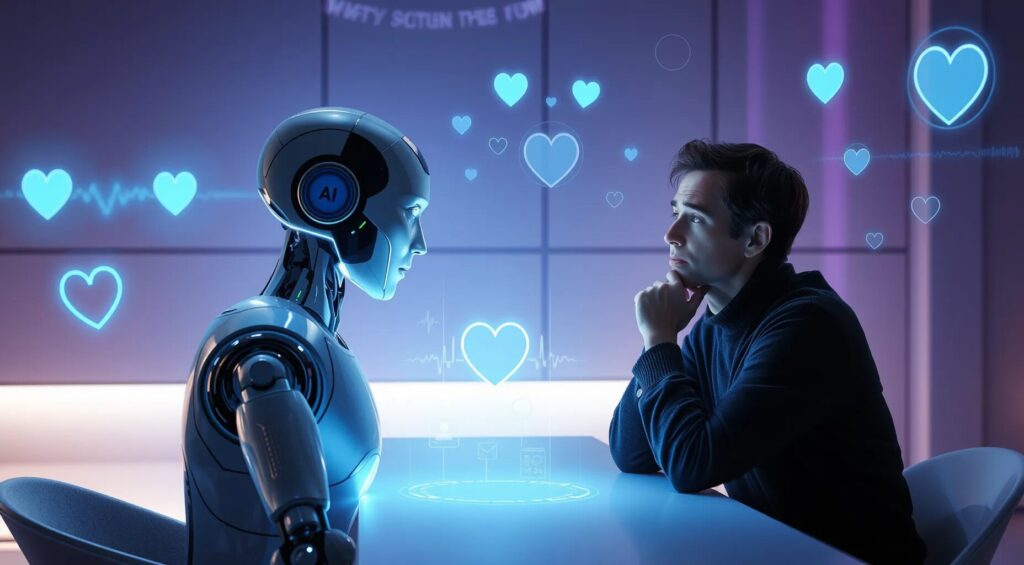
The New Emotional Machines: Can AI Truly Understand Us?

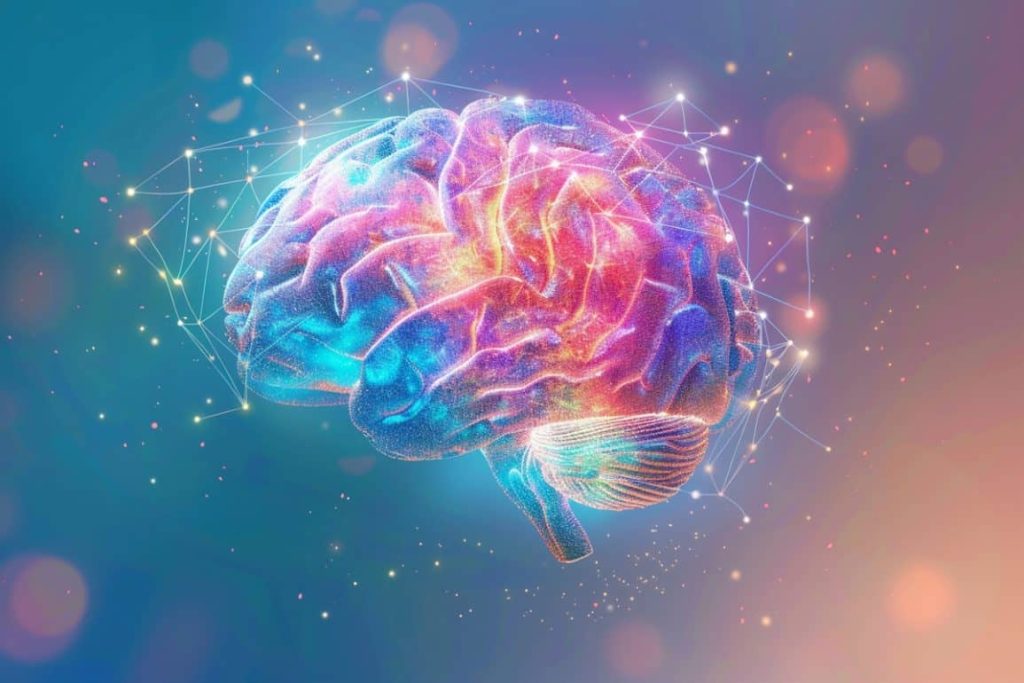

The New Emotional Machines: Can AI Truly Understand Us?
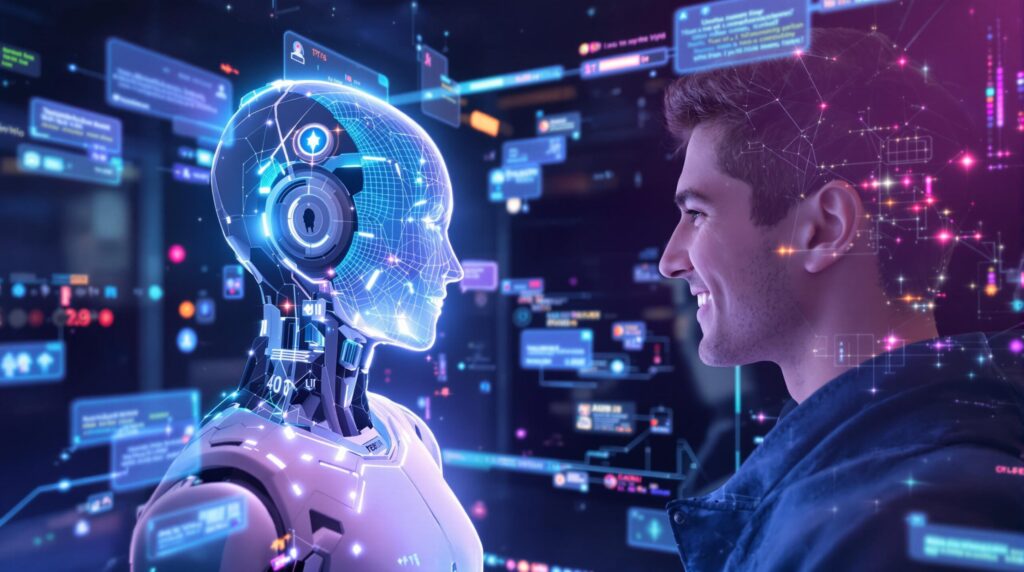
Imagine this: You come home after an exhausting day, and as you walk through the door, your virtual assistant greets you with, “Hey, warrior, another day conquered! Want to unwind with some soothing music or a podcast on the hilarious life of a potato?” It’s still 2050, so our coffeemakers don’t chat yet, but you get the picture. Welcome to the not-so-distant future, where machines are trying to understand us better than our overworked brains do! But the golden question remains — can AI truly understand the complex emotional tapestry that makes us human?
Emotions and Machines: An Unlikely Pair
The relationship between AI and emotions is like your quirky uncle attempting yoga — awkward, yet surprisingly promising. It’s a tangled web of zeros, ones, and unpredictably human nuances. AI emotions, the latest buzzword, reflects our collective quest to imbue machines with a kind of silicon empathy. But let’s pause and ask: How real is this quest?
If you’ve interacted with chatbots or virtual assistants recently — you know, the ones that occasionally misinterpret “turn on the lights” as “buy more flights” — you’d know that AI is not yet the emotional guru we hope for, but it’s far from the stoic tech it used to be.
The Emotional Intelligence Awakening
Today, AI can mimic certain emotional cues; a remarkable step forward considering its early days when it was merely a tool to calculate pi to millions of digits. Now, tools like emotion-recognition software are part of customer service experiences, offering emotionally-resonant responses that make tech interactions feel less like talking to a malfunctioning vending machine.
Real-World Example: Companies like Affectiva are pioneering technology in emotion recognition, tapping into facial expressions, speech patterns, and even heart rates. This area of AI emotional intelligence aims to foster mindful machines that could, perhaps one day, offer your therapist a run for their money. Just imagine — your AI assistant reminding you to breathe during a stressful meeting instead of pointing out the errors in a spreadsheet.
AI’s Emotional Limitations
Now, before we all hail our new empathetic Overlords, let’s examine what AI still lacks. While AI can identify and respond to emotional cues, it currently doesn’t ‘feel’ emotions. It’s like asking a scanner to feel empathy for the 500-page document it’s processing. Though AI empathy is on the horizon, programs don’t possess consciousness. They can’t truly understand the ‘why’ behind our feelings, no matter how much code they’re packed with.
This limitation is akin to teaching someone to swim by explaining the theory without them ever entering the water. Emotions are messy, intertwined with thoughts, memories, and experiences. While AI can simulate an emotional response, it lacks the ability to assimilate and learn from human emotional experiences in a truly organic way.
The Humor Angle: Laughs in Binary
Humor, an essential component of human emotion, is a Rubik’s Cube for AI. Your Alexa might tell you a dad joke, but it doesn’t understand why it’s funny any more than my smartwatch understands why I choose toast over a morning run. Humorous interaction demands an understanding of context, timing, and cultural nuances, which AI is still grasping with all the elegance of a toddler encountering peas for the first time.
Can Machines Ever Understand Us?
This question hangs over the AI evolution journey like a suspenseful cliffhanger: Sure, machines might never ‘understand’ us in the human sense, but how we define understanding is being redefined. Perhaps it’s not about replicating human emotions but enhancing human capabilities. Creating a synergy where AI does not need to feel, but can optimally assist by anticipating, inferring, adapting, and responding in meaningful ways.
Conclusion: The Future of Emotional Machines
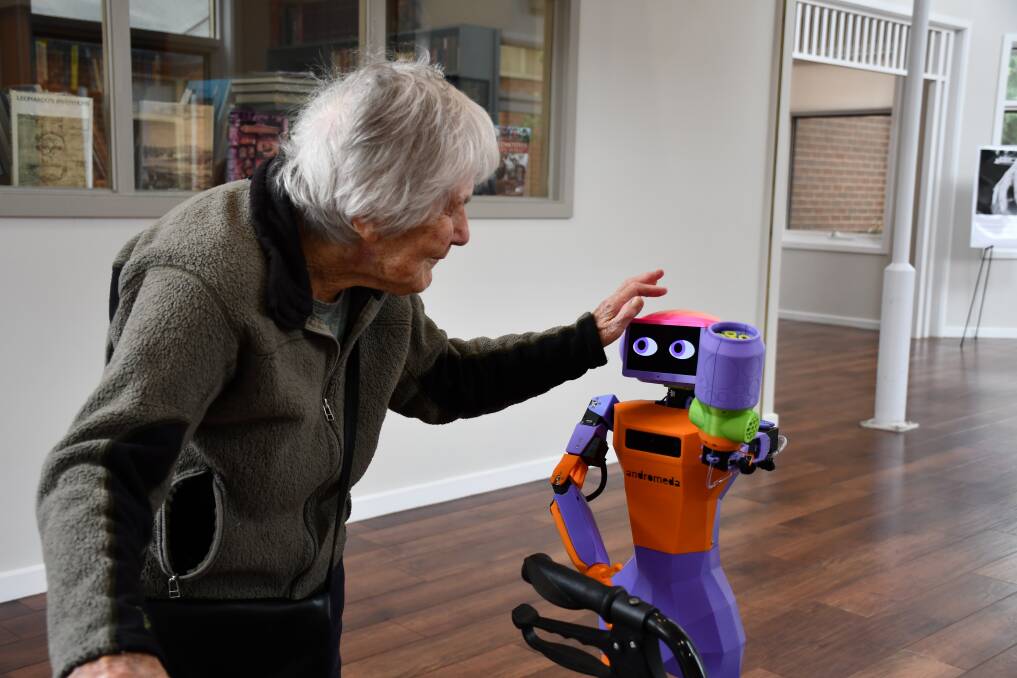
As AI continues its emotional evolution, it presents a fascinating blend of possibilities and limitations. We’re on the threshold of a future where these mindful machines might not just manage our calendars but become dynamic partners in our emotional wellness journey. A world where AI empathy doesn’t replace human interaction but enhances it — gives us room to explore and expand our emotional landscapes, relying on tech to curate experiences we can’t yet imagine.
So, will AI ever truly understand us? Maybe. But until then, if your virtual assistant can remind you to call your mom, dodge spoilers for your favorite series, and help you explore new hobbies, it’s a pretty good place to start. And hey, maybe one day, they’ll even understand why we need a coffee that feels like a warm hug in the face of a world that can sometimes seem a little chilly. It’s a work in progress, like us all.
And that’s the heart of the matter, isn’t it? We’re all perpetually a work in progress, even the bots among us. After all, who needs a perfectly understanding robot when your blender hasn’t judged your smoothie experiments (yet)?
Encouraged by the endless possibilities and perhaps a chuckle or two, we march into the future amused, intrigued, and slightly caffeinated, spilling cheer and curiosity one line of code at a time.