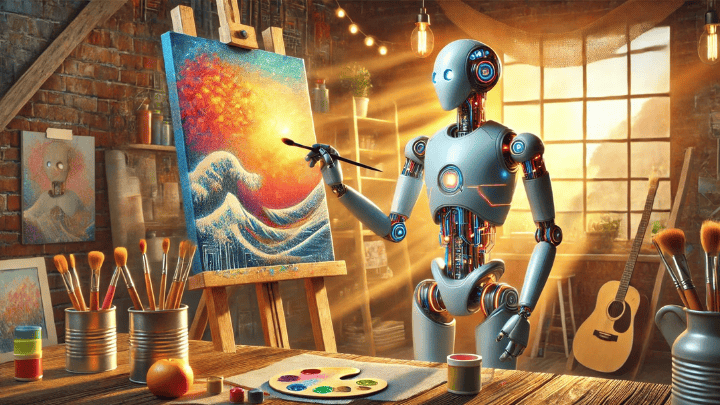
The Rise of AI Art: Are Machines Creating a New Era of Expression?

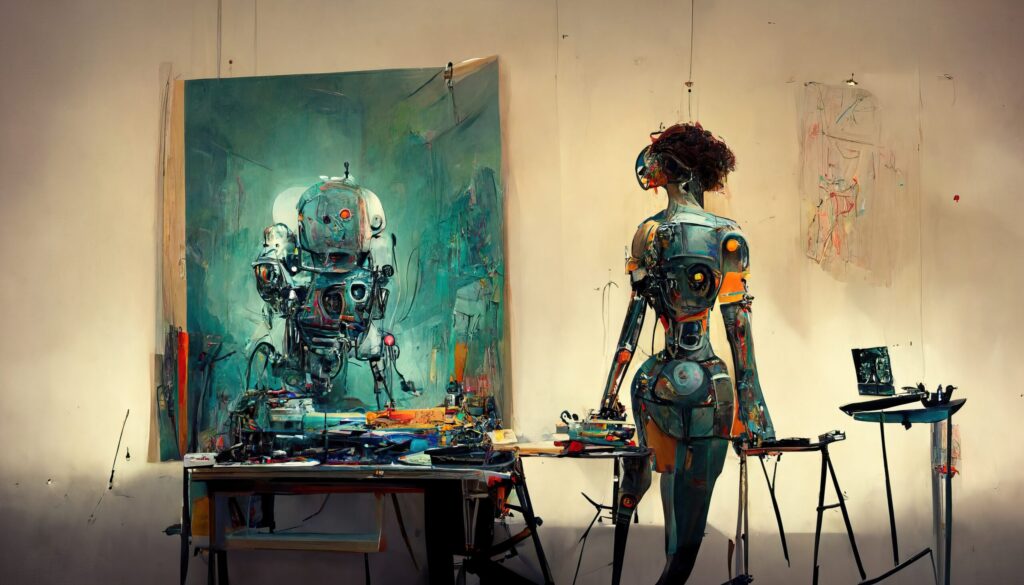

The Rise of AI Art: Are Machines Creating a New Era of Expression?
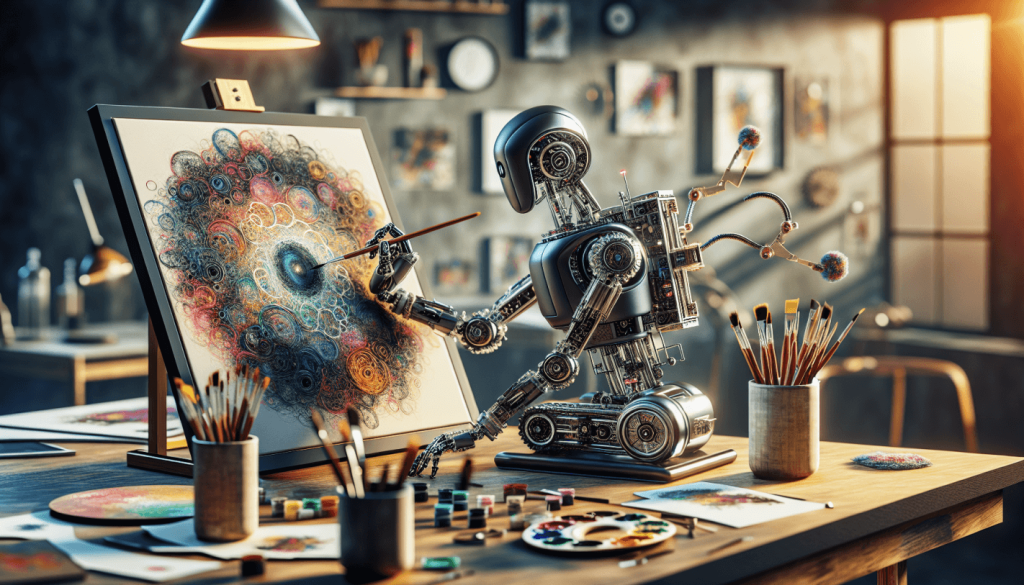
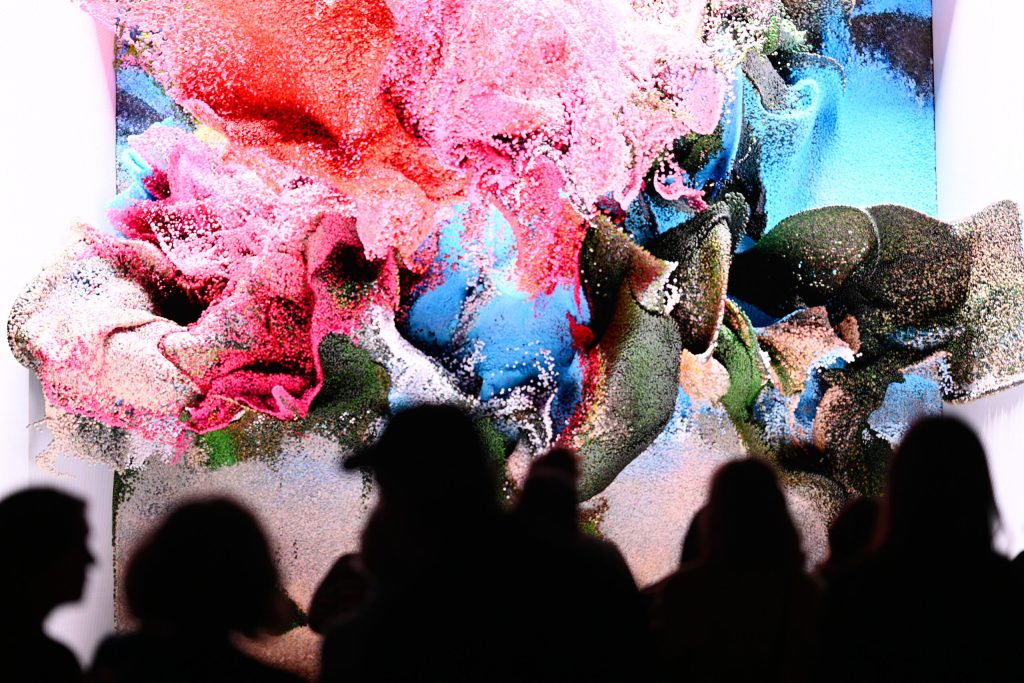
Imagine walking into an art gallery where, instead of a brooding artist holding a paintbrush, you find rows of sleek computers humming away, crafting masterpieces one right after the next. Welcome to the world of AI art, where silicon meets creativity in a groundbreaking collision that has artists and tech enthusiasts alike asking: are machines truly creating a new era of expression?
A Relatable Introduction: Artistry at Your Fingertips
Picture this: It’s a typical Tuesday evening. You’ve finally settled down with a hot cup of tea, ready to unleash your creativity on a blank canvas. Just as you’re about to make your first brushstroke, your trusty old laptop pings you with a notification—another fascinating creation from the AI art generator you’ve been dabbling with. It’s like magic! Suddenly, your inner Picasso gets a run for its money by a machine that doesn’t require snack breaks or sleep. It’s almost enough to make your coffee machine give you a sympathetic nod, acknowledging even it isn’t creative enough for such works.
The Fusion of AI and Human Emotions
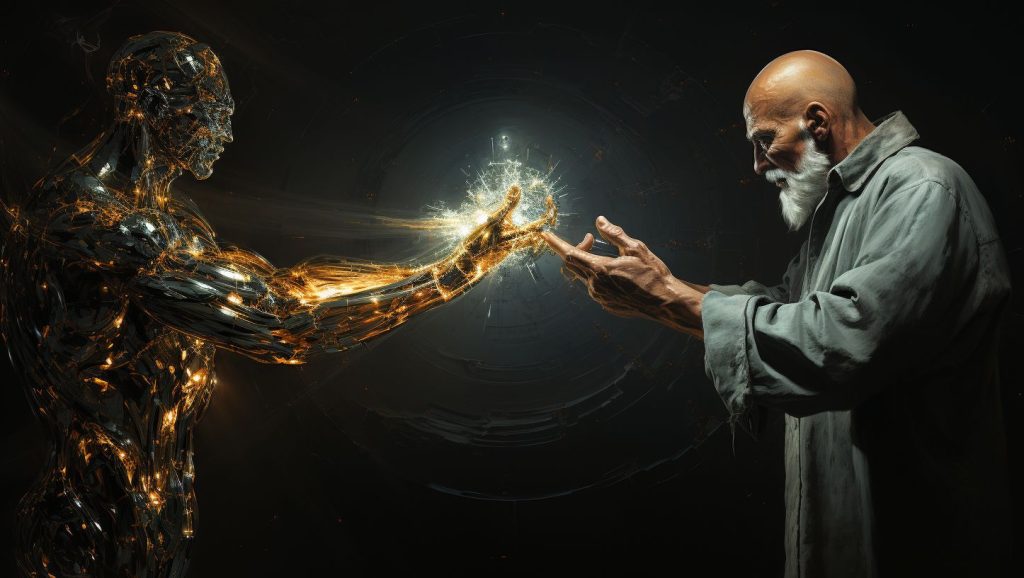
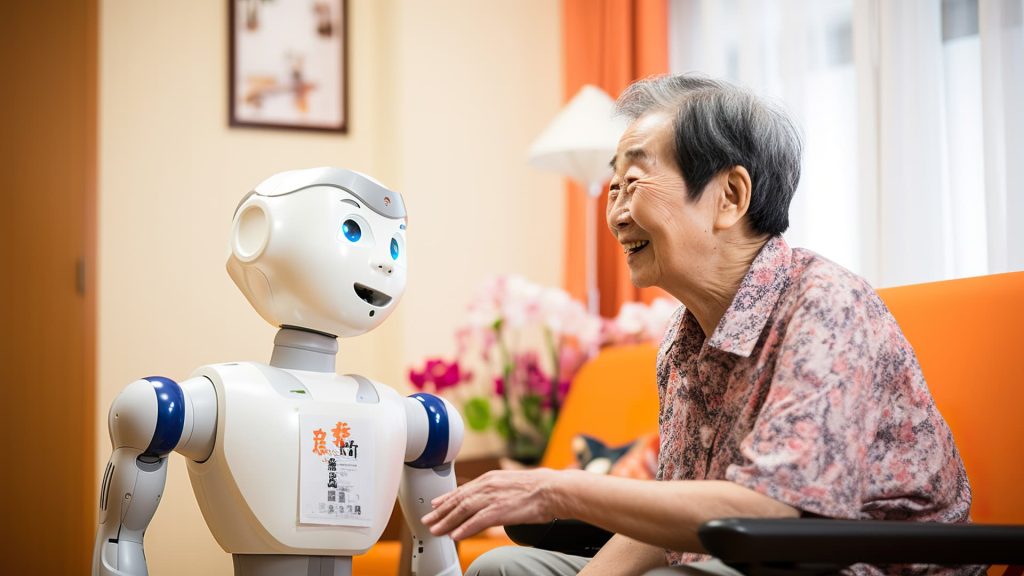
As we step further into the technological era, the connection between AI and emotions continues to intrigue. While traditional machines followed the commands given to them with little consideration for nuance, the rise of AI introduced a new dimension: emotional intelligence. Through mindful machines that can adapt and learn from humans, AI is exploring what it means to feel and express creatively.
One might say, “Well, machines can’t feel emotions,” and they’d be right. But art, as with other creative expressions, isn’t solely about feeling—it’s about the portrayal of feeling. These empathetic devices are becoming adept at recognizing emotional patterns, enabling them to create art that resonates with human sensitivities. Trippy, right?
AI’s Artistic Evolution: How Far We’ve Come
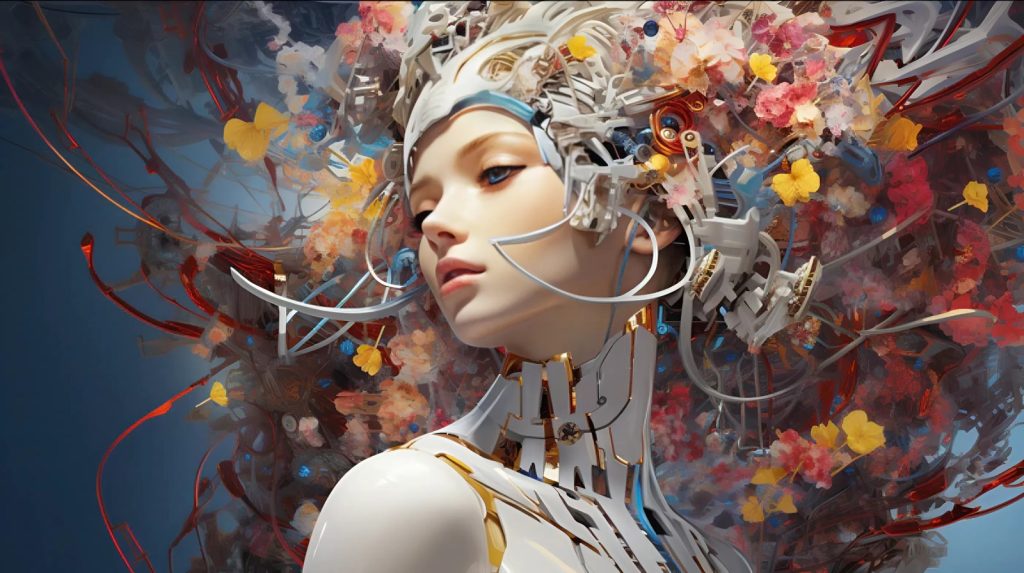
In the realm of AI art, the journey has been nothing short of fascinating. In the early days, computers could hardly draw a straight line, let alone create emotive masterpieces. Fast forward to today, and AI-generated art is not just making headlines but also filling gallery walls. Consider AI-powered tools like DALL-E and DeepArt. They are revolutionizing the art world by producing pieces that are as compelling as they are technically mesmerizing.
However, the intersection of AI and artistry isn’t all roses. While machines have the advantage of crunching volumes of data, they lack that indescribable human spark—the ‘je ne sais quoi’ that brings color to our creations. It’s the reason you’ll never find an AI art generator having an existential crisis over its palette choices.
The Ongoing Debate: Mindful Machines vs. Human Artists
Every protagonist has a worthy opponent, and in this narrative, it’s the debate pitting mindful machines against living, breathing artists with tangible emotions. On one hand, AI art is applauded for its ability to blend endless data points and generate works that captivate with their complexity. But critics argue that without the ability to feel, machines can’t truly express empathy and artistry in the same intrinsic way humans do.
Real-world applications provide perspective on this complex debate. Consider the chatbots of the world, like Siri or Alexa. These virtual assistants are getting really good at recognizing not just your words—the tone you use, the hesitation in your voice—but can they really feel your frustration when you ask them why the WiFi isn’t working, again? Similarly, while AI can help detect emotional cues through emotion-recognition tools, creating art from this understanding is a whole different ball game.
Humor in AI: When Machines Try to Be Funny
Even the most advanced AI struggles with humor. Machines have a knack for stumbling into inadvertently hilarious territory, like when they try to write poetry or tell jokes. It’s kind of like when your pet cat attempts to catch a laser pointer—it’s entertaining, but you’re aware it’s not mastering quantum physics anytime soon. The laughter sparked by these endeavors is what connects us to the machine arts at their most relatable and human level.
Conclusion: Reflecting on the Future of AI and Art
So, are machines creating a new era of expression, or are they merely partners in our creative endeavours? The rise of AI art opens a door into unexplored territories of imagination, offering new ways to engage with creativity, while also challenging our understanding of what it means to be an artist.
As we pour another cup of coffee and muse over the emotive creations from our silicon counterparts, it becomes clear: AI might not be taking over canvases completely, but it’s revolutionizing how we approach the age-old craft of self-expression. And if nothing else, at least our AI art companions don’t leave paint stains on every surface in pursuit of their creative visions.
Because, really, could you imagine the mess?