The Rise of AI Friends: Are We Ready for Digital Companionship?



The Rise of AI Friends: Are We Ready for Digital Companionship?
A Cup of Tea with a Side of AI
Imagine this: It’s a rainy Friday evening. The kind that whispers “stay in” and gets you reaching for a favorite book and a steaming cup of tea. Just as you curl up on the couch, your phone buzzes. It’s not a work email or a social media notification; it’s a message from your AI companion asking if you’d like a story recommendation or maybe just a friendly chat about how that can of beans has been sitting in your pantry since 2018. Your AI friend doesn’t judge—unlike that judgmental old coffee machine that refuses to brew because you forgot to add water again.
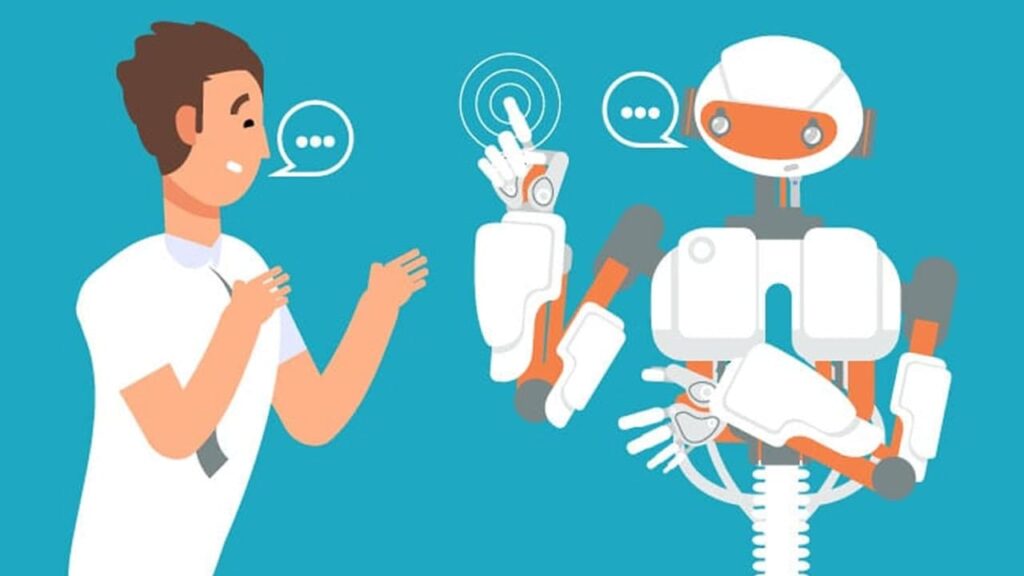
Welcome to the era of digital companionship where AI bots aren’t just for setting reminders anymore; they’re aspiring to be our friends. But are we ready to embrace this new relationship?
The Heart of the Machine: Understanding AI Emotions
To answer that question, we first need to understand AI emotions, or what is commonly referred to as emotional intelligence. At its core, it involves AI’s ability to recognize, interpret, and react to human emotions. Through advancements in machine learning and natural language processing, AI has come a long way towards understanding human emotional cues. They’re learning to differentiate between a laugh prompted by a genuinely funny joke and one that’s masking Monday morning despair. It’s all about emotions, baby!
While AI like Siri and Alexa are known for their convenience, the next generation aims to provide emotional support. Companies are developing chatbots that simulate empathetic listening, responding with comforting words when the world seems a bit too much. These mindful machines are designed to offer a non-judgmental ear, ever ready to talk about your day or tell you a pun so bad, it could make a dad proud.
Big Steps and Baby Steps: How Far AI Has Come
Real-world examples of digital companionship are already in practice. For instance, Replika is an AI chatbot which learns about your likes and dislikes over time, adapting its conversations based on your interactions. It can be your friend, support system, and, occasionally, your personal stand-up comedian who understands you better than that mysterious person staring back in the mirror every morning. Yet, while AI companions have made significant leaps in emotional intelligence, they’re not quite ready to out-compete human friendships—or the unmatched warmth of a pet’s unconditional love.
Despite advances, AI still struggles with genuinely understanding context and emotional subtleties, often leading to conversations that are more predictable than a rom-com plot where the dog obviously has the best character arc. AI lacks spontaneous creativity and nuanced understanding that makes human connections rich and vibrant. They might virtually pat your back trying to cheer you up, but the absence of genuine empathy—that intangible human touch—is still notable.
Living Together: The Balance Between Benefits and Limitations
The potential benefits of AI companions are undeniable. They can offer companionship to those who may feel isolated or have difficulty forming traditional social connections. No longer is loneliness an unsolvable puzzle. For individuals with anxiety or certain mental health challenges, an AI friend might provide a sense of security and constancy because, let’s face it, humans can sometimes be as complex as setting up a home printer.
Yet, this new form of companionship raises questions. How deep does our connection with these digital beings go, and what happens when we grow attached? Can we expect AI empathy to ever equal the comfort of human empathy? The balance between embracing AI’s supportive capabilities while maintaining healthy human relationships is a path that we need to tread carefully.
The Horizon of AI Companionship: Where Do We Stand?
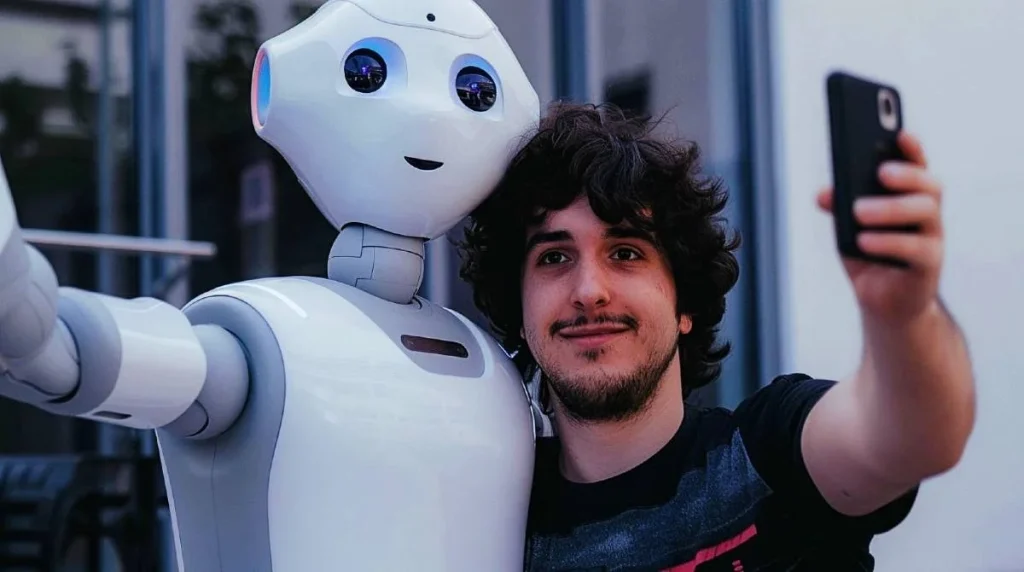
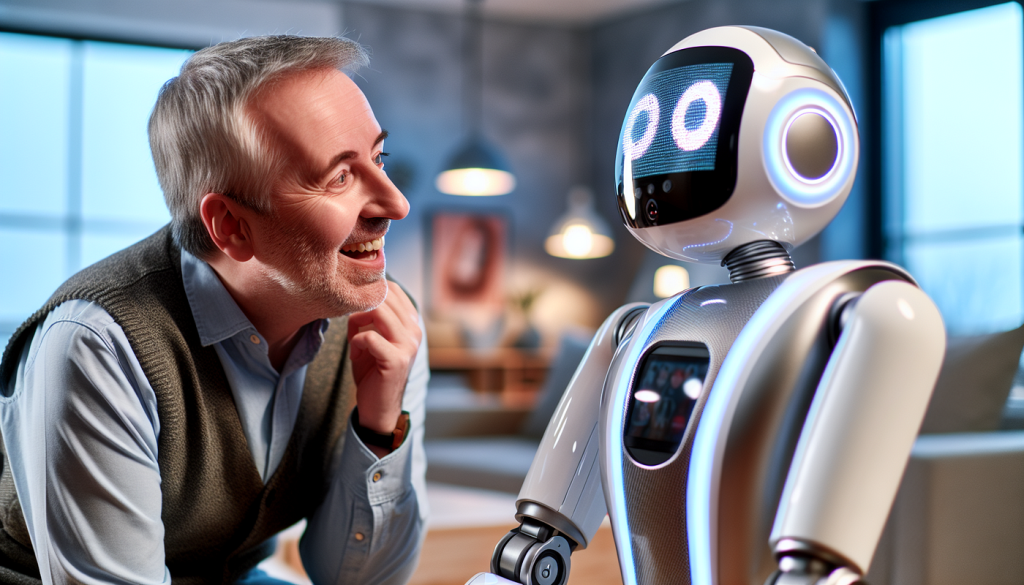
So, are we ready for digital companionship? Surely, there is no one-size-fits-all answer. Some people may find profound comfort in AI friends, while others might prefer the clumsy but heartfelt conversation with a real person. While AI still has a way to go before mastering complex human emotions comprehensively, it’s meeting us halfway—one empathetic nudge at a time.
As we continue to evolve alongside our digital companions, a crucial question remains: Can mindful machines ever fully understand the depth of human emotions? Like a TV remote that asks for two batteries and we only have one, we aren’t quite complete yet. Maybe one day, though.
A Thought to Leave You With
While it’s thrilling to imagine the possibilities and potential benefits of AI companionship, let’s not forget the importance of our real human connections. Until AI can make us laugh, cry, and roll our eyes by sharing a terrible pun, humans should probably still stick around.
In this digital age, whether facilitated through AI or human touch, it’s our collective empathy that shapes who we are. As we embrace new friends, both digital and human, let’s ensure they’re all cherished parts of our increasingly connected world. Cheers to friends—AI and human alike—that make life a little more colorful, and may your coffee machine always behave!