The Rise of Algorithmic Storytellers: Crafting Narratives with a Digital Soul


The Rise of Algorithmic Storytellers: Crafting Narratives with a Digital Soul
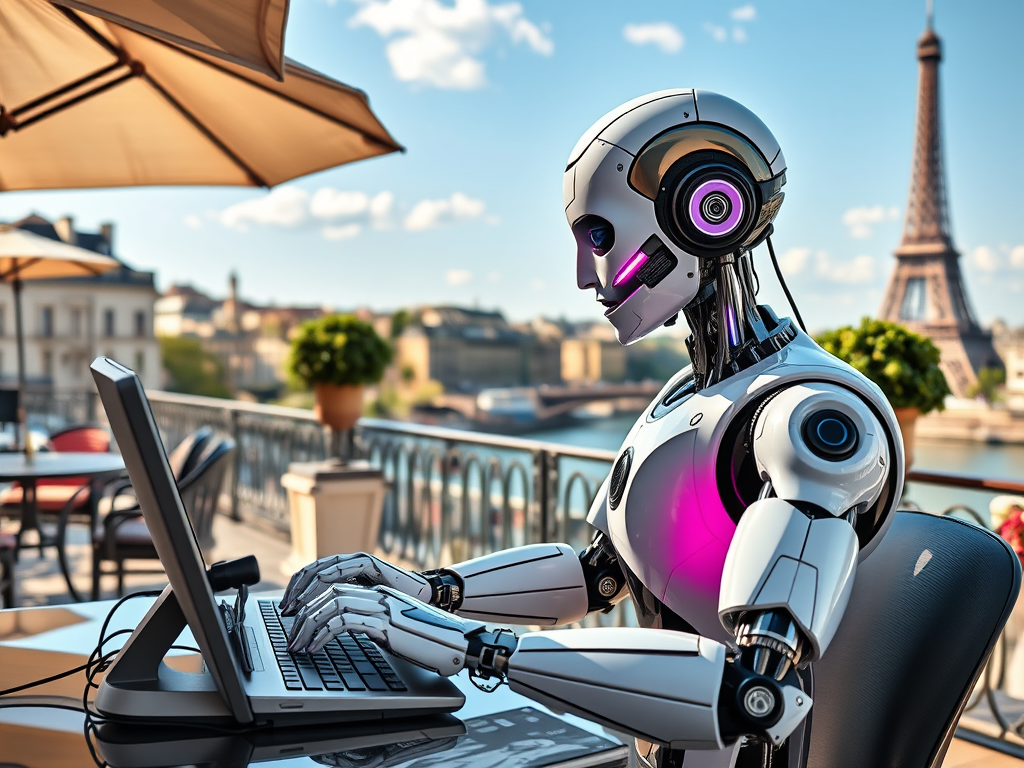
Imagine this: You’re sipping your morning coffee (that you thankfully remembered to make), and as you reach for your smartphone, it greets you with your favorite short story. A tale weaved not by a human author, but by an AI with the digital soul of a storyteller. It’s intriguing, isn’t it? Welcome to the age of algorithmic storytelling, where AI attempts to blend technology with human emotions.
The Symphony of AI and Emotion
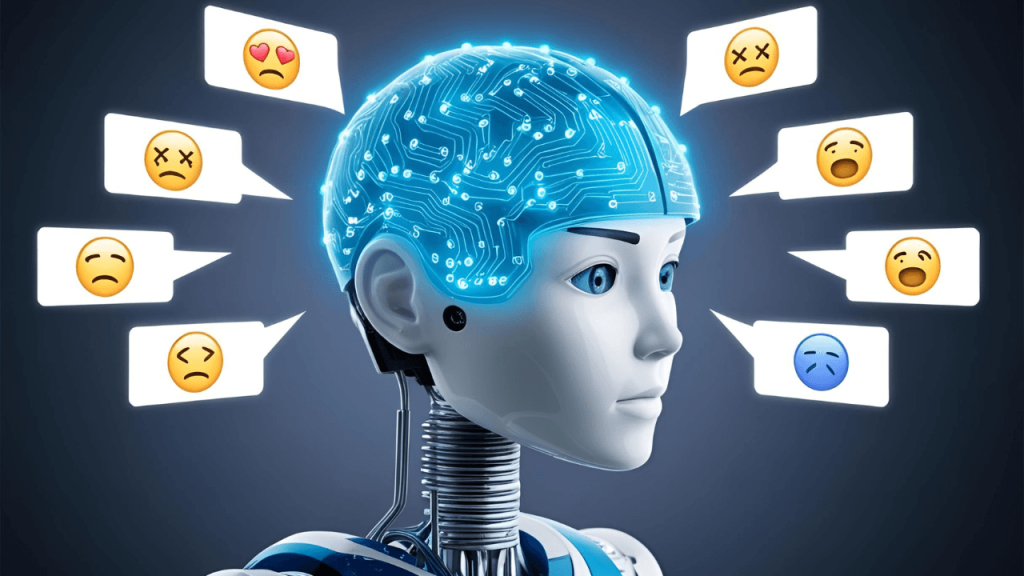
Picture a world where machines understand our emotions and respond with empathy. A bit like having that emotionally intelligent friend who always knows what to say, minus the last-minute cancellation because they “have a thing.” This is the world AI craftsmen are attempting to build.
The bond between AI and emotions, once as distant as college debt to early retirement, is now growing closer. Today, advanced algorithms are learning to create narratives with emotional depth, shaping experiences that tug at our heartstrings. But just how do these digital entities learn to capture human emotions, and how far have we come in this journey?
AI Emotional Intelligence: An Evolving Tale
The magic begins with understanding emotional intelligence—an area where humans (and sometimes, even pets) have a significant upper hand. Emotional intelligence (EQ) includes the ability to recognize and manage our emotions, and understand the emotions of others.
AI seeks to replicate this phenomenon through systems designed to analyze text, speech, and even facial expressions. Take chatbots like Woebot, designed to provide mental health support. Woebot listens (digitally), processes the user’s emotional cues, and then crafts responses intended to offer comfort or guidance. Similarly, virtual assistants like Siri and Alexa are evolving to better understand and adapt to our moods. Imagine Alexa playing your “Feeling Blue” playlist when the weather app shows rain and grey skies.
The Dual Nature of AI: Achievements and Limitations
The leaps made in the realm of AI emotions are indeed commendable. AI is already excellent at a few key things—processing vast amounts of data, recognizing patterns, and, unlike my dog, never forgetting instructions. Yet, we must acknowledge that while AI can mimic empathy with impressive precision, it doesn’t feel it in the way we do. Machines don’t get teary-eyed watching rom-coms or share our nostalgic fondness for retro 90s cartoons where anthropomorphic animals have more emotional depth than a reality TV show.
For instance, AI programs like OpenAI’s GPT-3 wow with their ability to generate human-like text. They can continue your story, suggest alternative endings, or even create poetry. Yet, these systems learn from what they read and are limited by their initial programming and data input. They lack genuine emotional awareness—like that friend who gives you a “congrats!” text after a breakup post.
Real-World Examples: AI Narratives in Action
Consider the use of AI in emotion-recognition tools, such as Affectiva’s emotion AI, which interprets human emotions by analyzing facial expressions. This technology is gradually finding its way into marketing, entertainment, and especially customer service, where understanding emotional cues can transform user experience.
Or take Replika, an AI companion app designed to be your chatbot buddy, learning from each interaction to become your personalized confidant. It’s like talking to the plant you keep on your desk, but with responses beyond absorbing CO2.
Humor in the Age of Digital Storytelling
Speaking of user experiences, lighter moments with AI can tickle the funny bone. Ever asked Siri something absurd just to see how it reacts? It’s these small, human touches that make interacting with AI so fascinating and, at times, amusing. Like when your GPS says “You have arrived” and you’re clearly in the middle of nowhere. These nuances add a unique charm to AI’s evolution in empathy and storytelling.
Crafting AI Empathy: Miles to Go
While AI has made significant strides, creating narratives that genuinely resonate on an emotional level is a deep, ongoing journey. Machines are yet to achieve the mindful nuances of human storytelling. There’s potential, but discerning machine understanding from genuine empathy remains challenging.
A Journey Reflecting Human Complexity
As we engage with these digital storytellers, we are reminded of the complexity and beauty of human emotions. AI’s rise in crafting narratives with a digital soul invites us to reflect on what it means to feel, connect, and create stories that resonate.
In embracing the possibilities of AI, let’s not forget the unparalleled magic of human creativity and emotion. So, the next time your coffee machine judges you silently as you wait for it to brew (probably wondering why you didn’t set the timer), contemplate the evolving dance between algorithms and emotions—a narrative that bridges technology with the heart’s language.
The rise of algorithmic storytellers is only the beginning, a prelude to a future where digital souls might one day understand not just the words, but the emotions behind them. And that’s a story worth waiting for.