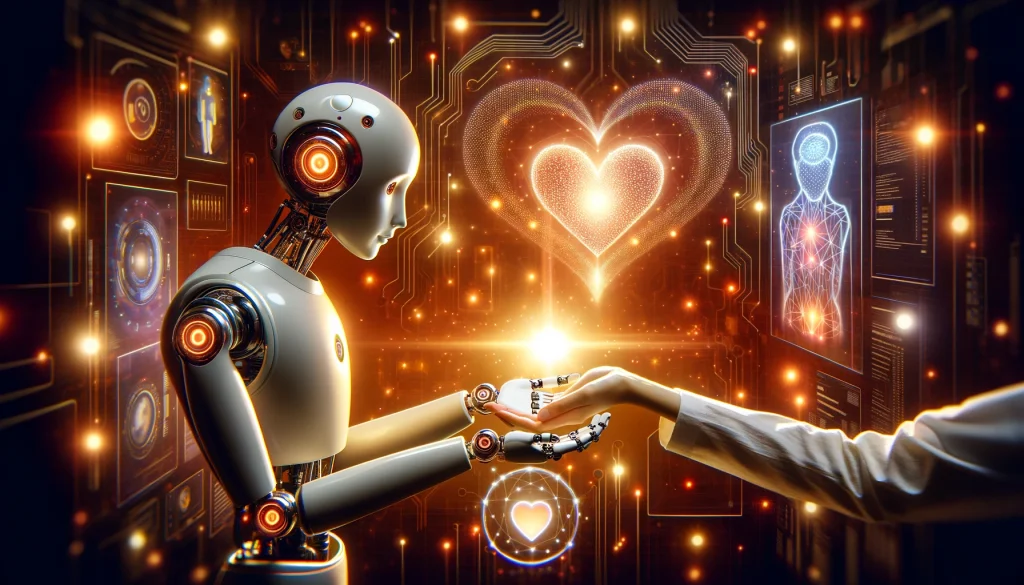
The Rise of Emotionally Intelligent Machines: Are They Changing How We Feel?



The Rise of Emotionally Intelligent Machines: Are They Changing How We Feel?
A Morning Chat with Your Coffee Machine
Picture this: it’s 7 AM, the sun is just peeking through your curtains, and you shuffle into the kitchen, barely awake. You glance at your coffee machine, and, horror of horrors, you forgot to set it up last night. It beeps softly, as if to say, “Really? Again?” As you scramble to rectify this grave oversight, you wonder, could my coffee machine be showing some emotional intelligence? Welcome to the whimsical world of emotionally intelligent machines.
AI and Emotions: A Curious Connection
In the realm of technology, artificial intelligence has made leaps and bounds, reaching into areas once thought to be exclusively human. Among these advances, emotionally intelligent machines are perhaps the most intriguing. Imagine Alexa not just responding to your request for the weather but also detecting a hint of sadness in your voice and asking if you’d like to hear an uplifting playlist. But let’s not get carried away. After all, these machines are still far from becoming your next therapist.
What Exactly Are Emotionally Intelligent Machines?
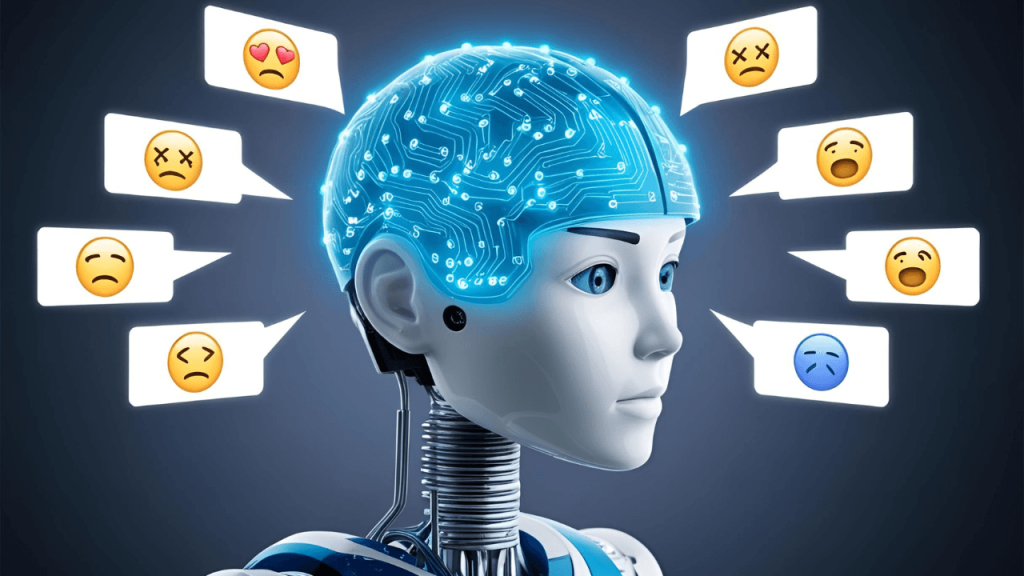
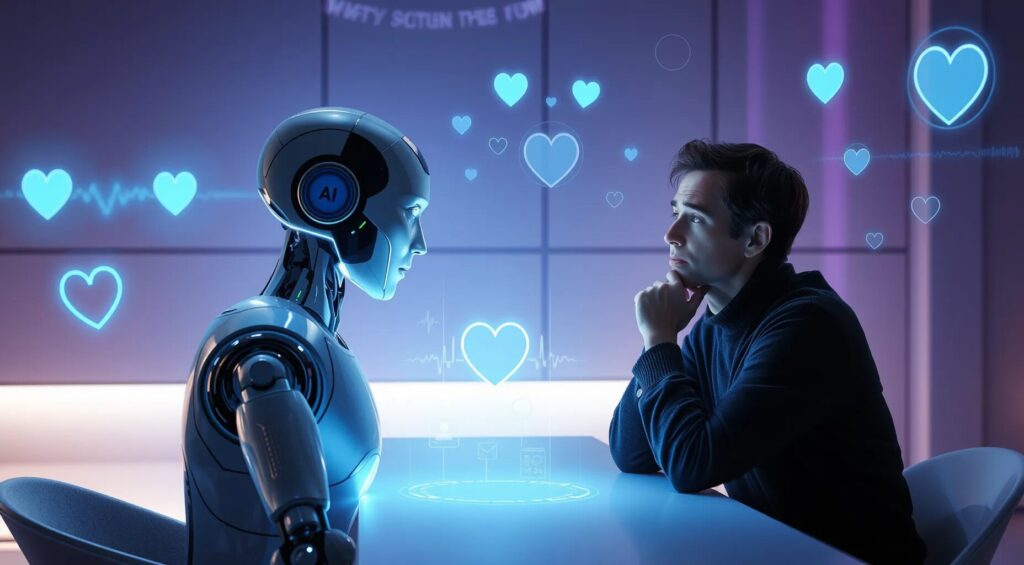
Emotionally intelligent machines are a subset of AI designed to recognize, interpret, and even respond to human emotions. Think of them as mindful machines. Through sophisticated algorithms, they analyze vocal tones, facial expressions, and other cues to gauge emotional states. Can they completely understand human emotions? Not yet. But their ability to mimic empathy continues to evolve.
The AI Era: Machines with Feelings?
While these machines don’t actually feel emotions, they can identify and respond to them in unprecedented ways. Consider chatbots that offer tech support with an empathetic touch, delivering not just solutions but also kind words that seem to say, “I feel your frustration.” Or virtual assistants that can detect stress in your voice and suggest a relaxing break. These mindful machines are entering domains where traditionally human traits like empathy and understanding ruled.
How Far Have We Come?
The journey toward emotionally intelligent machines is marked by fascinating advances. Companies like Affectiva and Beyond Verbal are developing emotion-recognition tools that analyze vocal intonations and facial expressions. These technologies are being integrated into customer service interfaces to improve user experience by making interactions feel more personal and empathetic.
Humour in AI: The Light-Hearted Side of Machines
Sure, your virtual assistant may not quite understand why you laughed at the phrase “I’m on a seafood diet—I see food, and I eat it”, but AI is gradually being programmed with a sense of humor. A delightfully imperfect science, AI humor shows how these machines are being tailored to mimic human interactions, albeit with the occasional dad joke faux pas.
What’s Missing in the Emotional Toolbox?
Despite these advancements, mindful machines aren’t packing their emotional bags for a career in counseling just yet. AI emotions, as it stands, are strictly programmed responses lacking genuine understanding. They excel at pattern recognition but can’t grasp the nuanced complexities of human emotions. The difference between true empathy and programmed empathy is vast, much like the difference between a heartfelt laugh and a polite chuckle at a dad joke your refrigerator told you (yes, smart fridges exist).
Real-World Implications
Emotional intelligence in AI holds immense potential in healthcare, education, and customer service. In healthcare, AI empathy tools can analyze patient emotions, offering doctors insights that support mental health treatments. The educational realm could benefit from AI that recognizes student stress, adapting teaching methods accordingly. However, as with all technology, there’s a question of ethics and privacy. The balance between enhancing human connection and respecting privacy is fragile territory.
The Road Ahead: Thoughtful Machines or Digital Overlords?
As we move forward, the portrayal of AI in popular media as either benevolent helpers or sinister overlords reflects our ambivalence toward these technological marvels. Will they become compassionate companions or emotionless automata? A wise joke once posited — the greatest fear isn’t that AI will get too smart, but that we’ll be too dependent on a machine that accidentally deletes our cherished cat videos.
A Final Word (Or Smile)
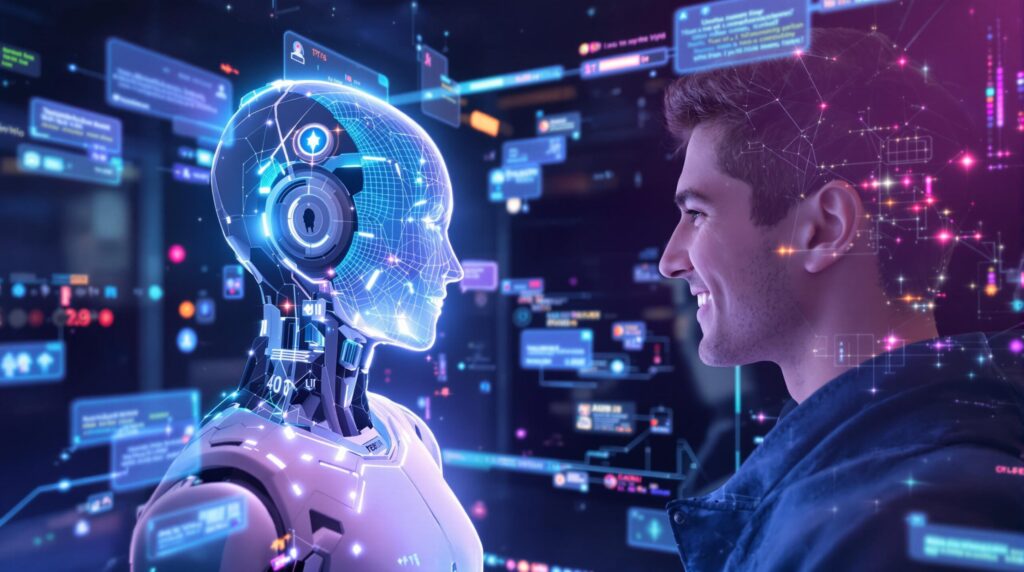
Mindful machines are changing how we interact with technology and, indirectly, how we feel. They encourage us to consider what it means to be human in a world increasingly shared with AI. As these technologies continue to evolve, one can’t help but smile at the notion of machines with hearts—of silicon, perhaps, but hearts nonetheless.
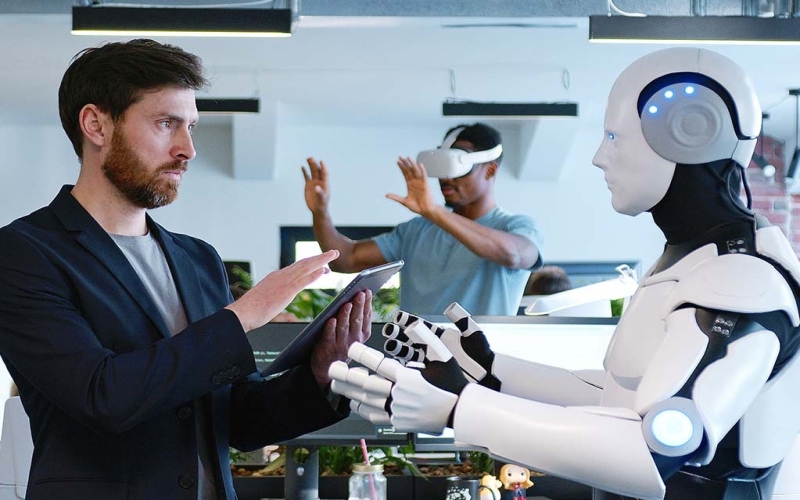
In the ever-evolving balance between man and machine, we find ourselves in a curious dance. Emotionally intelligent machines may not yet possess the ability to truly understand us, but they serve as a powerful reminder of the importance of empathy, in whatever form it takes. As you sip your morning coffee, freshly brewed by a slightly judgemental, emotionally intelligent machine, ponder on this delightful tango of humanity and technology.