Unpacking the Ethical Dilemmas in AI-Powered Storytelling

# Unpacking the Ethical Dilemmas in AI-Powered Storytelling
## Hold onto Your Hats: AI Is Now Writing Theater Plays
Did you ever imagine a computer writing a novel or even whipping up a script that could make us laugh and cry? Well, it’s not science fiction anymore! Just this week, a jaw-dropping development has emerged from OpenAI’s latest experiment: GPT-6. The news making waves in the AI community is that this AI isn’t just dabbling in storytelling — it’s diving headfirst into the deep end by creating complex theater plays. But hold onto your popcorn, because this technological plot twist carries some ethical questions as dramatic as the AI-written plays themselves.
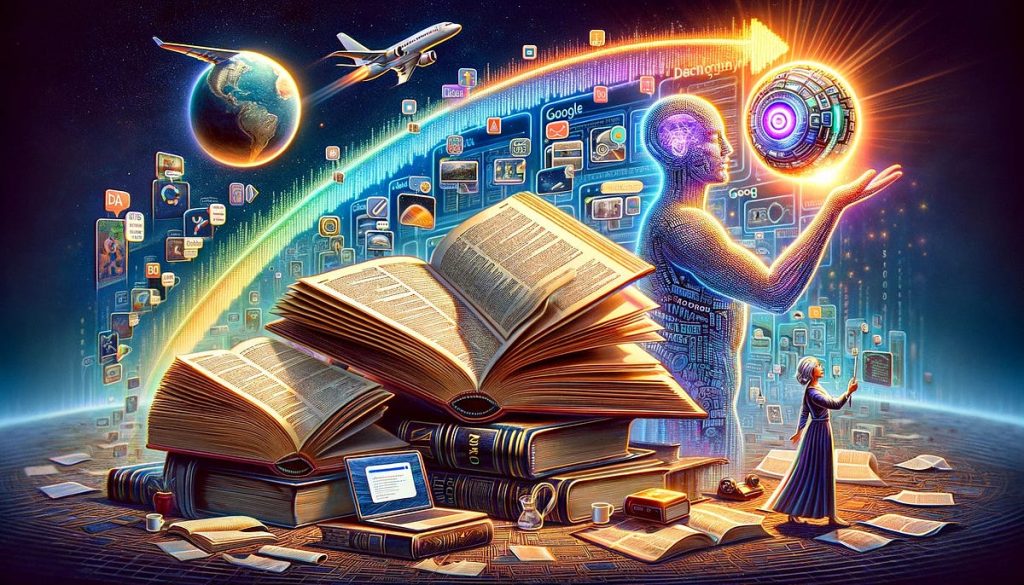
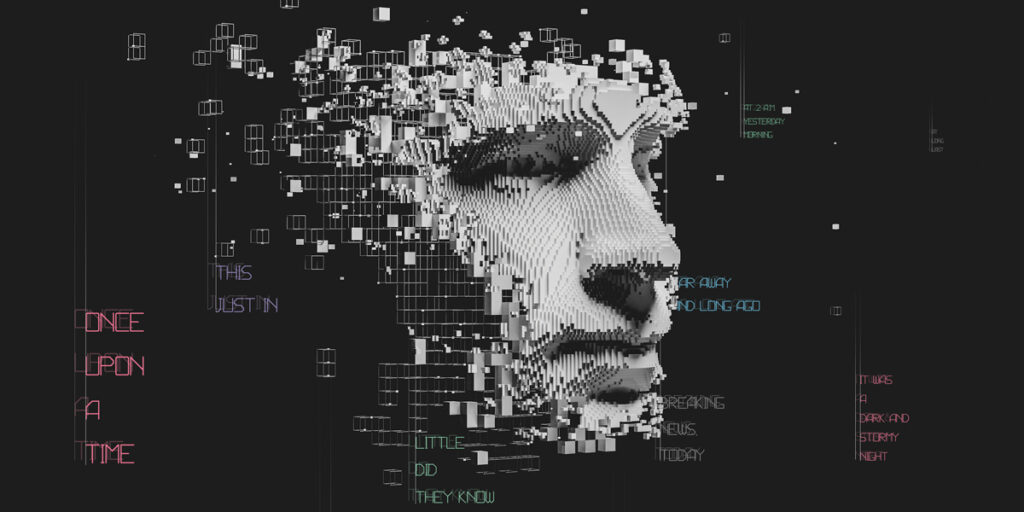
Imagine you’re at a modern-day Shakespearean play, only to find out that the script wasn’t penned by a bard, but by lines of code in a server room. OpenAI’s GPT-6 has been generating scripts that are so eerily human-like, they’re slated to debut on Broadway later this year. The rapid advance of AI in creative fields is as thrilling as it is unsettling. This may not only redefine what we consider ‘art’, but also who — or what — deserves credit for it.
## A Bold New Act: AI and the Stage
On March 20th, 2026, OpenAI unveiled its latest creation: GPT-6, a language model that doesn’t just understand and generate language, but can also structure narratives with the nuance and depth of a seasoned playwright. This AI has already penned a series of theatrical pieces that are gaining a spotlight for their originality and depth. Critics and enthusiasts alike are raving about the AI’s unexpected flair for comedy, drama, and even satire.
The excitement stems from GPT-6’s enhanced capabilities to weave intricate plots with well-developed characters. It learns from a plethora of scripts, ranging from classic literature to contemporary pop culture, crafting dialogues that resonate with emotional depth. But amid the applause, questions about the authenticity and ownership of AI-created art have come to the fore. If a robot can crank out a poignant monologue, does the applause go to the coder or the code itself? And what does this say about our human authors who’ve spent years honing their craft?
## What This Means For Everyone
While this news might make some people want to hug their favorite author a little tighter, there’s no denying that the implications of AI storytelling touch many facets of our daily lives. For aspiring writers, GPT-6 could be perceived as both a tool and a competitor; a source of inspiration and challenge all rolled into one. Teachers might soon find themselves asking their literature students to write essays on “Hamlet” while discussing the AI-written sequel, “Hamlet’s Ghost,” simultaneously.
Moreover, businesses in creative industries could see an influx of AI-generated content as a cost-effective alternative. While we could be on the brink of more diverse and plentiful storytelling, it also raises the critical issue of maintaining a balance between human creativity and machine efficiency.
## The Plot Thickens: Ethics and the Future of AI Storytelling
As AI flexes its creative muscles, it ignites a fascinating debate: What is originality and authenticity in art when a machine can mimic human creativity? The lines between plagiarism, inspiration, and creation blur, leaving us pondering: If an AI can learn every storytelling trick in the book, will human creativity become obsolete, or will it evolve to new heights?
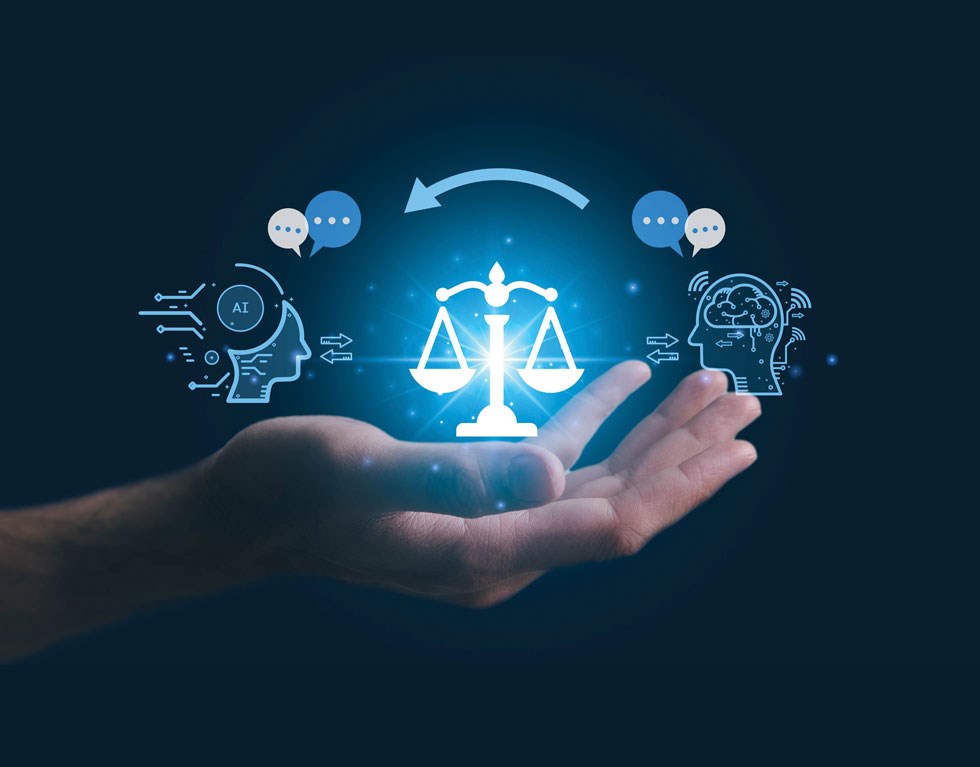
Furthermore, the ethical concerns surrounding the ownership and credit of AI-generated works are significant. Should there be new laws to define such creations? Are we entering an era where intellectual property soon belongs to a machine? While the debate continues, one thing is clear — AI is not just a bystander in the creative process but an active participant that could change how stories are told and consumed.
## The Final Act: Where Do We Go From Here?
In this high-tech twist on storytelling, our role isn’t just to sit back and watch. With AI now a creative partner, we must navigate these uncharted waters with curiosity and caution. Perhaps the biggest cliffhanger isn’t about what AI will create next, but how we, as a society, will adapt. As long as machines stick to writing plays and not rewriting history, we’ll be perfectly okay to share the stage. Or maybe even receive our script notes from a silicon co-writer. Only time — and technology — will tell.