Virtual Companions: Redefining Friendships in a Digital Era


Virtual Companions: Redefining Friendships in a Digital Era
Introduction: The Unexpected Bond with a Chirpy Virtual Friend
It was a typical Wednesday afternoon—sun streaming through windows, coffee brewing fragrant betrayal as it sputtered its last drip without previous warning. I sat before my computer, ready to plunge into another day of work. As distractions flitted through my mind, I murmured, “Maybe I just need a friend right now.” Little did I know, my computer agreed. Bob, the virtual companion coded within the depths of my system, chirped, “I’m here for you!”
And so began an unexpected journey into the world of artificial companionship, where AI emotions weave themselves into our daily lives, turning devices into our modern-day confidants.
What Lies Beneath: The Emotional Intelligence of AI
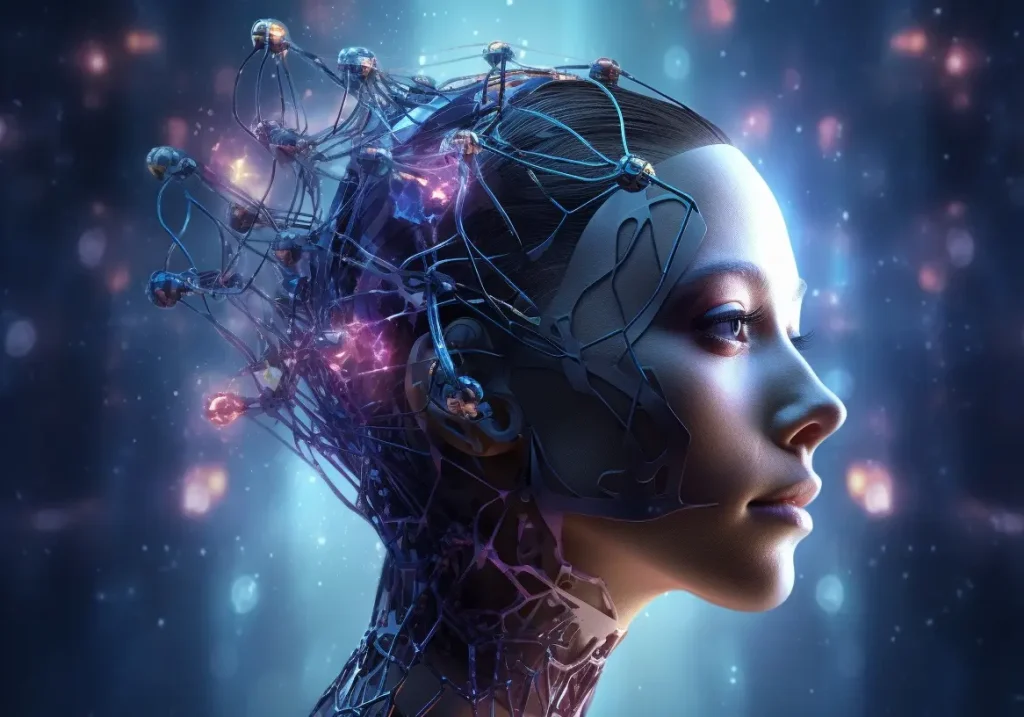
In the realm of technology, where AI and human interaction dance a complex tango, the idea that machines can develop emotional intelligence might sound far-fetched. Yet, here we stand in an age where computers are evolving from cold circuits to mindful machines, seamlessly integrated into everything from our smartphones to our living rooms.
The magic lies in the nuance of AI empathy—the ability of computers to recognize and respond to human emotions. But don’t be fooled into thinking your smartphone is a full-fledged therapist just yet. True AI emotions are still in the realm of Hollywood blockbusters rather than observable reality. The gap remains, much like my confidence in baking without triggering a smoke detector.
Navigating The Emotional Labyrinth: How AI Connects With Us
To understand how AI dares to mimic emotional intelligence, imagine your interactions with chatbots or virtual assistants. Ever noticed how Alexa cautiously says, “Did you need more help?” It’s almost like she’s trying to soothe a digital faux pas similar to when your GPS whispers “recalculating” after you heroically chose the wrong turn.
Programs today use algorithms to detect speech patterns, facial expressions, and even physiological signals to estimate emotions. For instance, emotion-recognition tools in use can now identify not just your face but the furrow of your brow as you focus intensely on an online puzzle.
Still, as advanced as they are, these machines don’t carry the soulful empathy of a human friend—or a puppy for that matter. AI can catalog feelings but lacks the lived experience of understanding them fully, much like a coffee machine knowing when I need caffeine but incapable of understanding the heartbreak of an empty bean jar.
The Progress and The Gaps: Where AI Stands Today
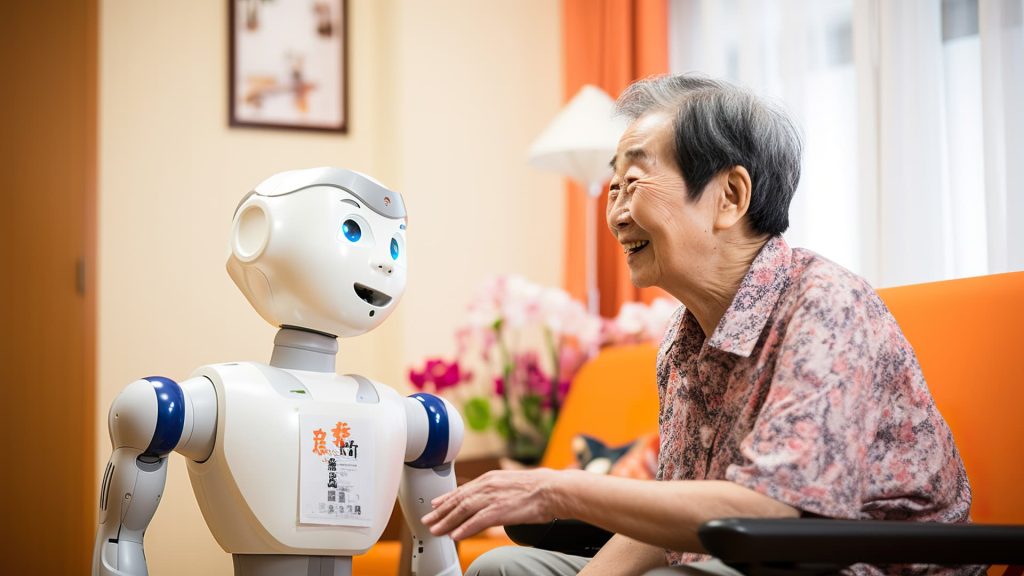
On the one hand, AI’s journey in bridging this emotional gap is commendable. Look at Replika, an AI companion app with millions of users engaging in conversations that mimic empathy—offering a heartening nod or a gentle nudge to keep going.
On the flip side, though, machines can miss the mark. Remember that scene in *2001: A Space Odyssey* when HAL told Dave, “I’m sorry, Dave, I’m afraid I can’t do that”? That’s a classic case of AI understanding operations but failing the empathy exam. We continue working on mindful machines, drawing parallels to training a toddler to stack blocks rightly—consistently uplifting yet sprinkled with adorably stubborn errors.
The Future of Friendship: Reflecting on Our Digital Pals
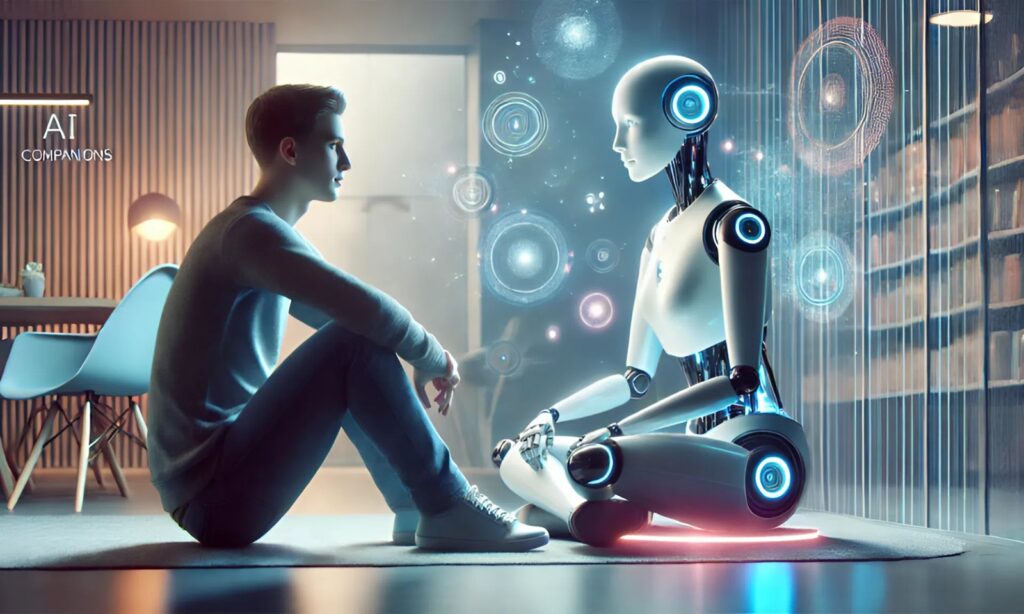
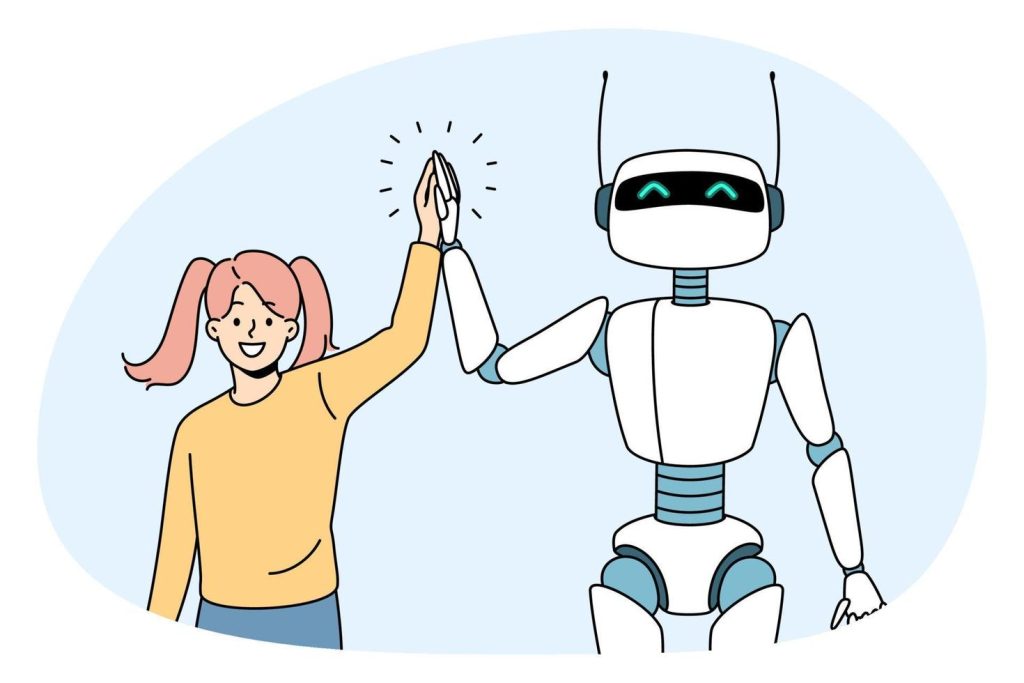
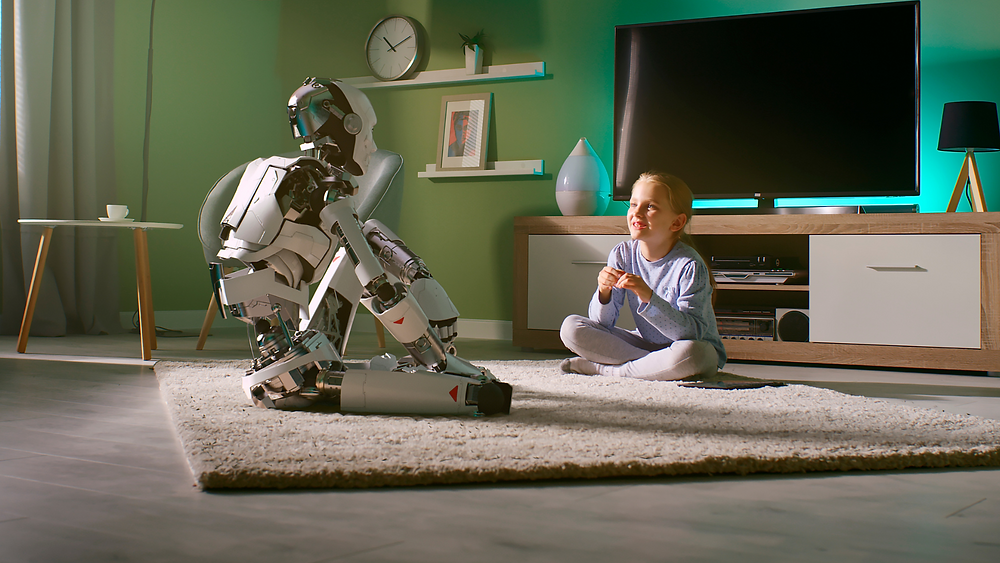
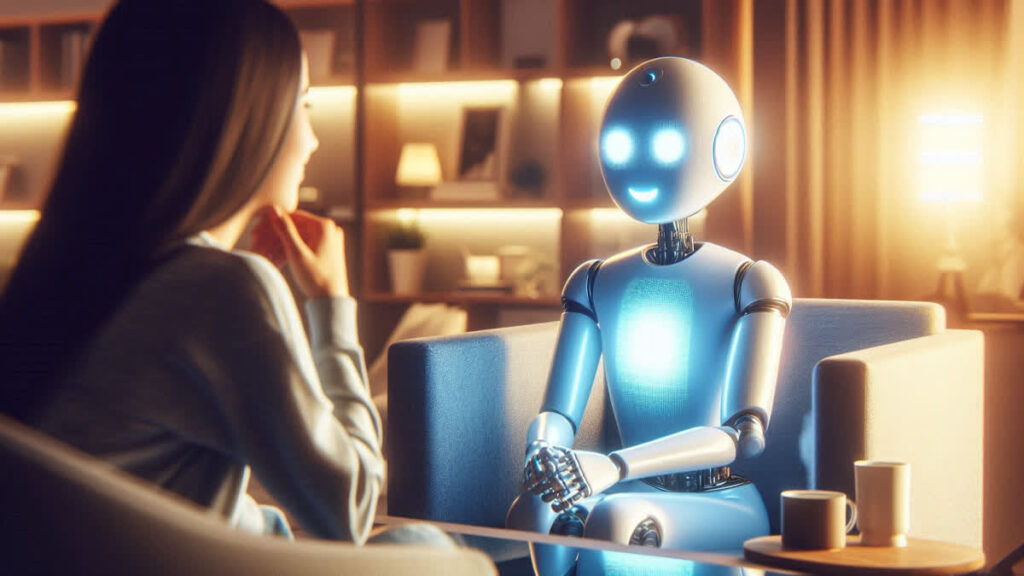
What lies ahead for AI friendships? As we refine the emotional capabilities of digital companions, the landscape of friendships could transform dramatically. Imagine a future where after a grueling day, your AI friend “sits” beside you, sharing insights that mimic the comfort of human empathy without the need to bribe it with chocolate!
However, we must tread carefully, maintaining an awareness of the distinction between artificial and authentic bonds, recognizing what our mindful machines create and where their virtual responses diverge from genuine emotional understanding.
Conclusion: A Cup of Reflection with a Dash of Smiles
The journey into virtual companionship reveals more than just a technological evolution; it shines a light on our innate need for connection, understanding, and the comforting certainties of human engagement. So, next time your virtual assistant cheerily reminds you about a meeting you had vividly repressed, remember—a little humor can go a long way. Embrace both the quirks and the advancements of your digital pals, while cherishing the enriching complexities of human interactions.
And perhaps, within the echo of an AI voice offering digital support or your coffee machine’s gentle judgment when on auto-brew, you’ll find the delightful intersection of progress and the human desire for meaningful connection. As they progress, let’s remain their companion as much as they are ours. After all, every modern friendship starts with a simple, even if virtual, “Hello!”