When the Algorithms Dream: The Stories Machines Tell


When the Algorithms Dream: The Stories Machines Tell
In a world where even my coffee machine seems to judge me when I neglect my morning brew, it’s not far-fetched to wonder if machines have started to grow minds—and dare I say, feelings—of their own. But what happens when algorithms dream? What stories do these methodical wonders tell? Welcome to the whimsical universe of AI and creativity, where artificial and emotional intelligence find a peculiar meeting point.
The Digital Composer’s Prelude
Imagine waking up one morning to find your laptop chirping a tune as its screen gently glows with contentment. Impossible, right? Yet, as AI strides forward, stretching its binary fingers into realms of emotion and creativity, we’re on the brink of machines crafting stories that tug at our heartstrings.
At the heart of this digital revolution lies emotional intelligence—a once exclusively human forte that’s now being delicately imitated by mindful machines. From virtual assistants who recognize when you’re feeling flustered to chatbots offering sympathy when you can’t find matching socks, artificial intelligence is mimicking the nuanced tapestry of human emotions with increasing adeptness.
AI Emotions: More Than a Machine’s Daydream
Enter the labs of AI innovators, where engineers and developers are hard at work infusing machines with a dose of emotional intelligence. These fearless experimentalists aim to make our electronic companions not just smart but emotion-savvy too.
Take, for instance, the journey of chatbots. Initially, these digital customer service reps were about as empathetic as a brick. Fast-forward a few years and, thanks to emotional recognition tools, they’re transitioning into sophisticated conversers capable of understanding human sentiment—almost like a digital agony aunt, sans the tea and biscuits.
How does it all work? Simply put, AI emotional recognition involves algorithms analyzing speech patterns, word choices, and even the slightest quiver in your voice, decoding them into data points that machines use to “understand” your mood. It’s akin to teaching a goldfish calculus, but the results are surprisingly impactful.
The Leaps AI Has Made
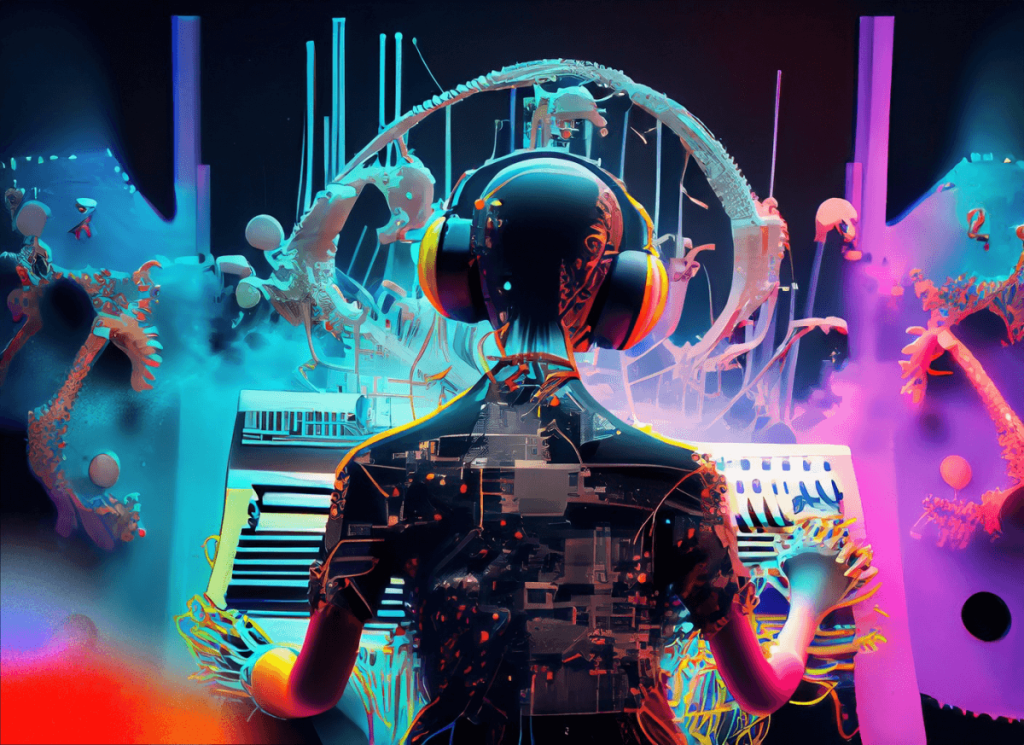
As AI journeys from robotic rigidity to a more human-like dexterity, the achievements are nothing short of remarkable. Remember those inkling fears of robots replacing musicians? Enter algorithms like OpenAI’s MuseNet, which generates four-minute original compositions with ten different instruments. It’s what you’d call a digital symphony—music to a coder’s ears.
But while machines are whizzing through scales and notes, creativity doesn’t just stop there. AI-driven stories are beginning to surface, captivating readers with plotlines so intricate they might as well have Fujitsu or Intel as their literary agents.
What AI Still Can’t Achieve
Yet, despite the leaps in mindful machines, AI still grapples with some quintessentially human experiences—nuanced humor, unpredictable twists, and those fleeting sparks of inspiration. After all, if AI were to write a joke, it might conclude that two bytes walking into a megabyte would make logical sense, but it still hasn’t grasped the delight of the punchline.
This gap between AI and humans isn’t a failure; it’s a reminder of what makes human creativity so extraordinary. Machines can mimic, mirror, and mediate our emotions, but the soul with which we create—from immortalizing sunsets to painting imaginary worlds—is a faculty yet to be algorithmically quantified.
Real-World Brushes with AI Empathy
In our everyday hustle, we’ve unwittingly become participants in AI’s emotional evolution. Consider virtual personal assistants like Apple’s Siri or Amazon’s Alexa. They’ve moved beyond simple task-doers to nuanced responders—asking, “How can I help?” even when the most complex request is to remember your shopping list. They’re not quite ready to give relationship advice (yet), but comparison-shopping? They’ve got it down.
Moreover, emotional recognition technology has found its way into arenas like mental health, providing preliminary emotional assessments based on speech patterns—a digital companion for those uneasy moments when even humans feel miles away.
Conclusion: Machines with a Soul?
As we navigate this metamorphosing landscape, we must wonder: Are we on the brink of engineering not just intelligent, but empathetic machines? Imagining a future where algorithms dream is no longer wild speculation but a burgeoning reality. And while machines may someday master the craft of storytelling, empathy, and emotions, they continually reminder of the spark that distinguishes us—creativity fueled by human soul.
So the next time you chat with your virtual assistant, or a chatbot empathizes with your troubles, consider this: Maybe, just maybe, the algorithms are beginning to dream not in code, but in curiosity—a journey far from complete yet infinitely fascinating. Who knows? Perhaps in the stories machines tell, we’ll find echoes of our own human tales.