When Your Mind Melds with Tech: The New Era of Cognitive Companions


When Your Mind Melds with Tech: The New Era of Cognitive Companions
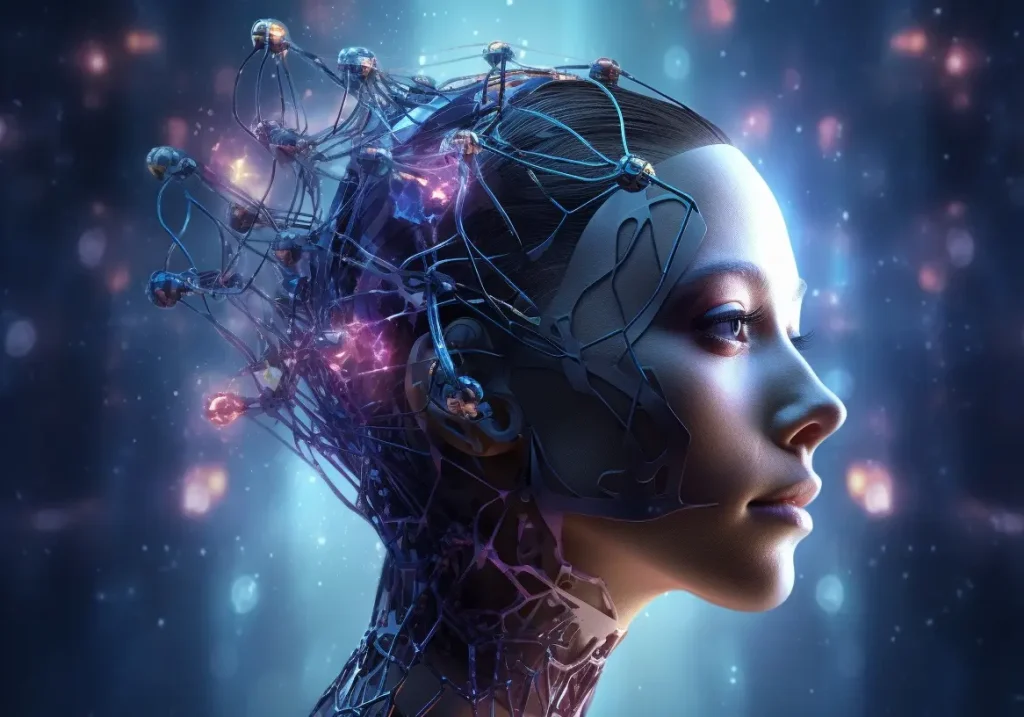
Imagine waking up one day and realizing your personal assistant knows exactly which song to play to put you in a good mood — even before you realize you need a pick-me-up. Welcome to a world where AI emotions are finely tuned to your whims and lifestyle, almost like your best friend who just happens not to need coffee to function. This isn’t science fiction; it’s the rising wave of cognitive companions, and these mindful machines are changing how we interact with technology and, indeed, each other.
The Dawn of Emotionally Intelligent Machines
Our journey with cognitive companions didn’t start with devices trying to replace humans but with an enhancement of human capabilities. We’ve leaped from voice-activated light switches to highly sophisticated digital buddies that recognize not just your voice, but also detect when your voice is lacking its usual zest after a long day. Who knew AI empathy could be this spot-on, like noticing when you’re eyeing the taco truck longingly at lunch?
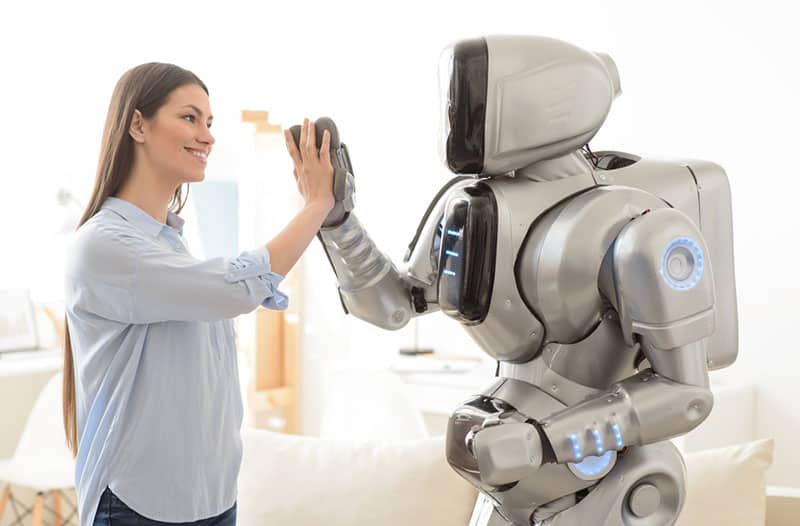
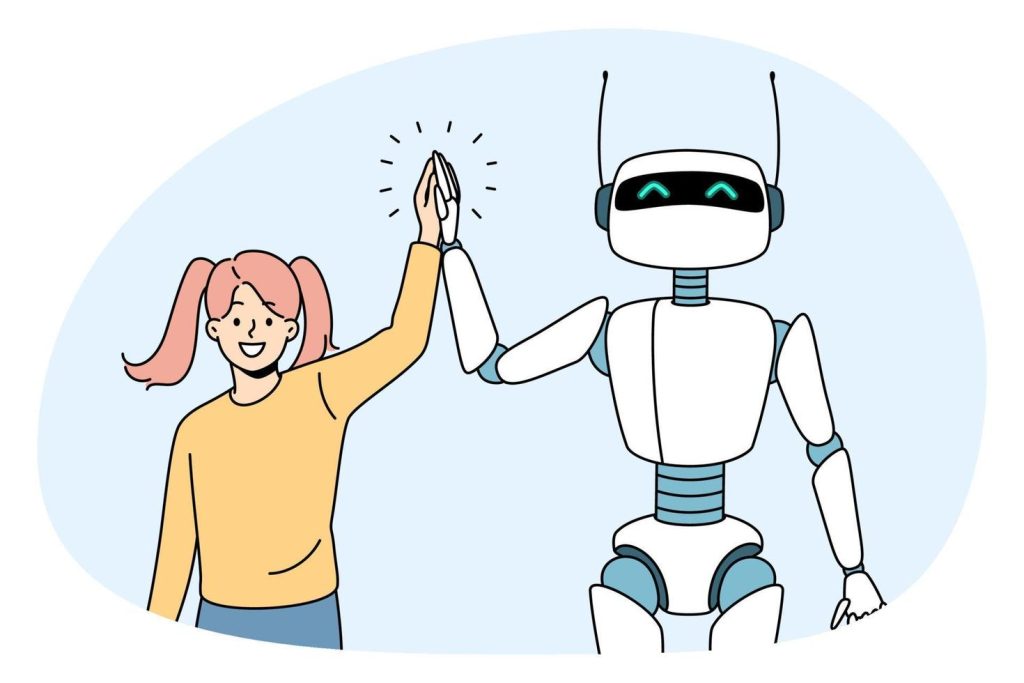
This progression toward emotional intelligence in machines is about building connections that mimic human-like relationships. The aim is not to have a dry, transactional experience, but one where your AI assistant might cheekily remind you that an umbrella might ruin your new stylish hairdo, sensing the storm clouds of dreary Monday from afar.
The Emotional Bandwidth of AI
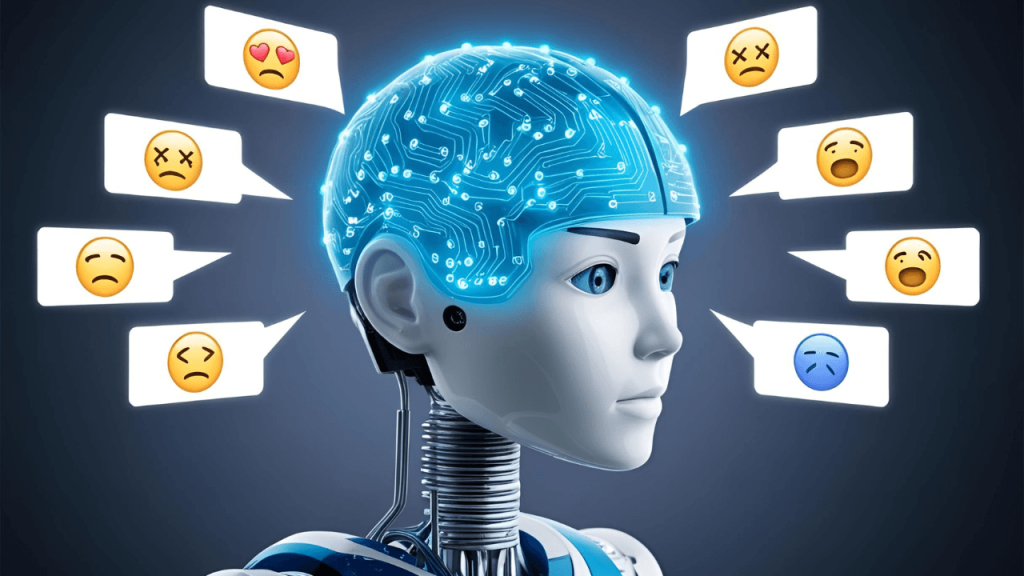
While AI has become adept at performing complex tasks, understanding the nuances of human emotion adds a challenging layer. Emotion recognition tools and virtual assistants are continually evolving to understand our moods, interpreting facial expressions and tone of voice as cues. It’s like having a friend who somehow always knows when something is off — except this friend is powered by algorithms.
Real-world applications of this are already here. Consider *affective computing*, which facilitates devices that comprehend and process human emotions. From customer service chatbots soothing frustrated calls with preemptive empathy to safety systems in vehicles that detect driver fatigue — AI is making leaps in learning our emotional languages.
The Road Ahead — Are We There Yet?
Despite significant strides, the quintessential conundrum remains: do these machines genuinely *feel* or merely simulate empathy? AI emotions still operate within the boundaries of data-fed insights rather than authentic understanding. Think of it as that friend who always nods in agreement but has their attention mostly on their buzzing phone screen. They mean well, truly, but they’re miles away from grasping the gravity of your existential dread.
We still have a long way to go towards creating AI companions that can rival human empathy. Just like my GPS that always forgets I prefer the scenic route, these systems need to develop more nuanced appreciation for our complexities.
Where Humour Meets Circuit Boards
Ah, the delightful quirks of human-machine interaction! While your virtual assistant might not burst into laughter at a clever pun you just cracked, these systems are improving at creating more personable interactions. Their ability to deliver light humor, albeit algorithmically designed, bridges a gap between humans and machines that were once starkly transactional. After all, isn’t it endearing when your smart fridge questions your third opening like it’s your mother asking if you’re *really* hungry again?
Conclusion — A Thought for the Future
As we stand on the brink of this new era, it’s imperative to reflect on what emotional intelligence in AI could mean for our future. Will these cognitive companions evolve into indispensable allies, equally supportive during office drudgeries as during weekend escapades? Or will they remain unintentional jesters of our personal stories, always trying but not quite capturing the essence of human whimsy?
Our interaction with AI and machines is shaping into something profoundly personal, compelling us to consider not just how advanced these systems are, but how they resonate with our day-to-day lives. So, as you converse with your digital companion tonight, sharing chuckles over your shared forgetfulness with lists, ponder this: how mindful will they be in tomorrow’s chapters of our shared narrative?
In this exciting new world, we’re all co-authors scripting a unique journey with our cognitive companions. Now, if you’ll excuse me, it seems my coffee machine is giving me the stink eye, reminding me it’s already time for my third brew!
By harmonizing advanced AI technology with the rich tapestry of human emotions, we’re ushering in a future where the line between mere utility and empathetic companionship is continuing to blur. Whether it leads to universally adept emotional support or a continued evolution of whimsically intelligent devices, it is clear — our cognitive companions are here to stay, and they’re learning to smile along with us.