The Rise of Emotion-Sensitive Tech: Gadgets That Get You


The Rise of Emotion-Sensitive Tech: Gadgets That Get You
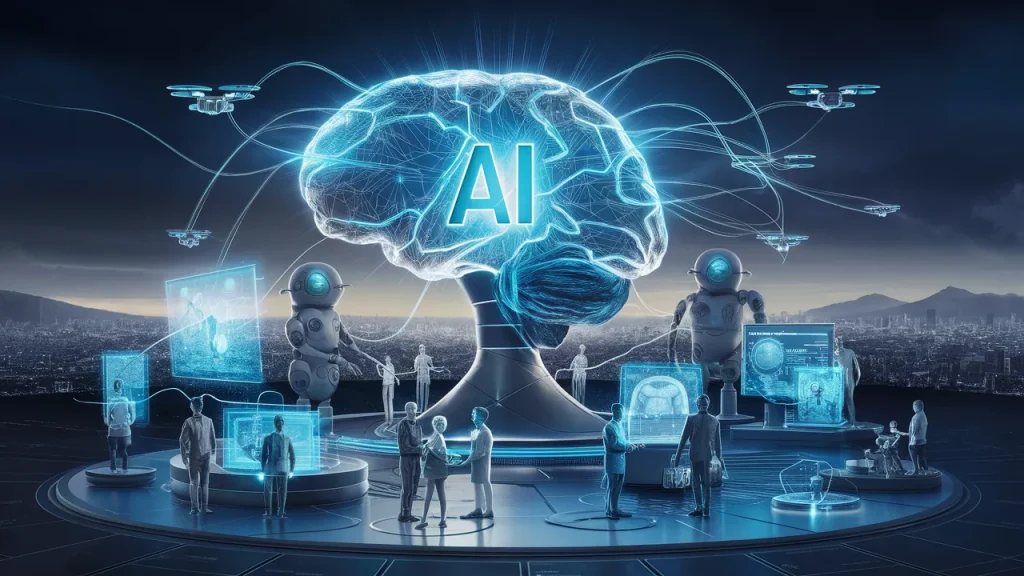
In a world where even your fridge knows when you’re low on milk, there’s one question that’s been tickling the curious minds of tech aficionados and sci-fi enthusiasts alike: Can gadgets truly understand our emotions? Imagine a day where your smart TV doesn’t just recommend shows but senses when you’d prefer a tearjerker over action-packed thrillers. Welcome to the age of emotion-sensitive tech, where gadgets are not just smart but possibly understanding as well.
Once Upon a Digital Time
Picture this: It’s a Monday morning. You’ve hit snooze on your alarm more times than you’d like to admit, and finally, you’re up, running to kick-start your day. As you reach for your coffee—because let’s face it, even coffee seems to judge us on days we forget it—your virtual assistant kindly chimes in with, “Good morning! I’ve adjusted today’s reminder to fit your new waking hours. Guess coffee was really needed, huh?” In those moments, it feels less like technology and more like a concerned friend gently nudging you awake.
This might sound like a scene from a futuristic movie, but thanks to rapid advancements in AI emotions and mindful machines, it’s becoming more of our present.
How AI Began to Get Us
Artificial Intelligence (AI) has been part of our digital lifestyle for quite some time now, nosily making its way into gadgets that cater to almost every whim. It began with simple algorithms—suggesting what book to read next or guessing your music taste. However, AI has evolved dramatically, with empathetic capabilities now being explored.
Unlocking Emotional Intelligence
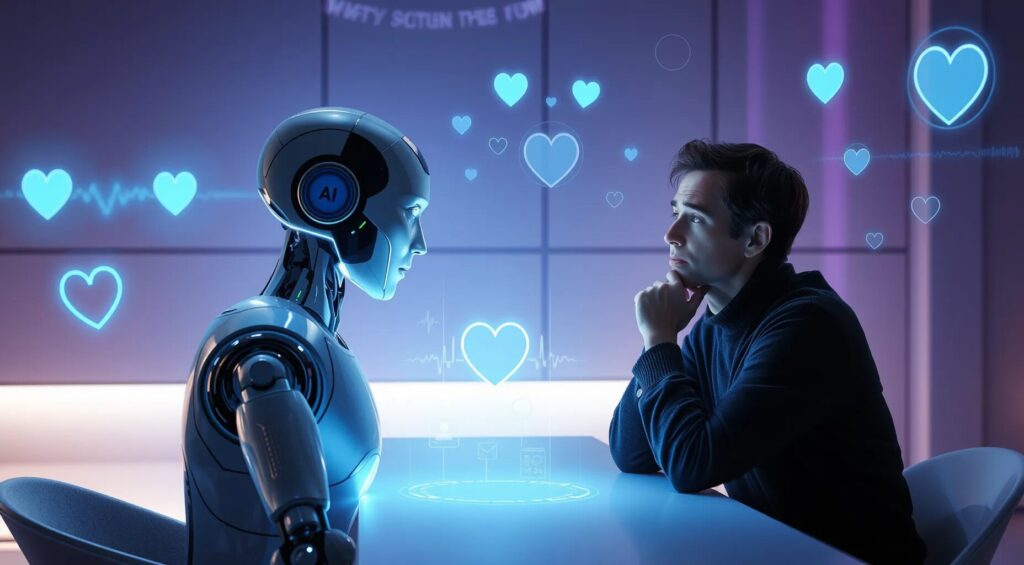
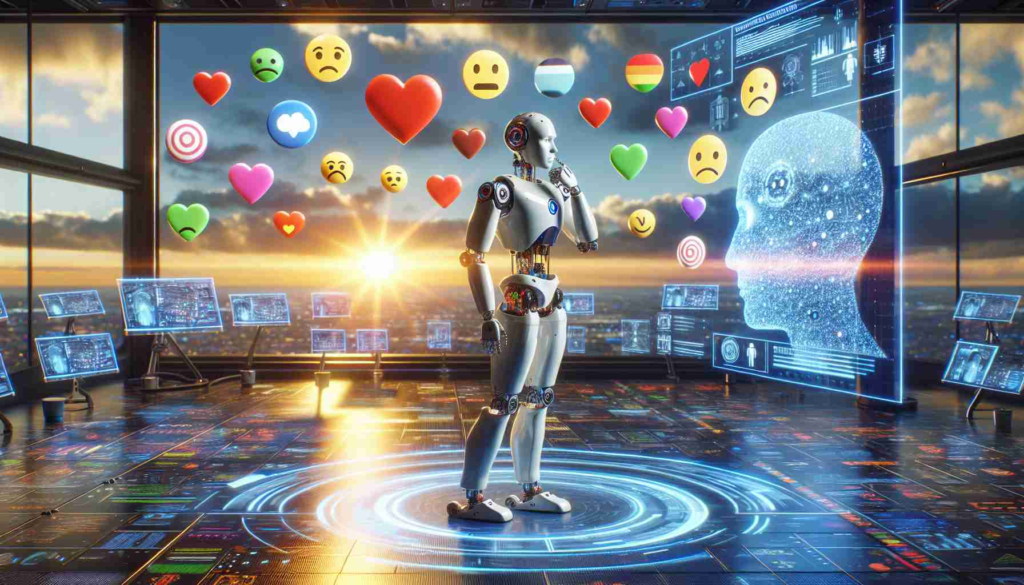
You’re probably familiar with basic chatbots or virtual assistants like Siri or Alexa, which can answer questions, set your reminder, and possibly add to your “thermos daydream” with their charm. But beyond that surface-level interaction, advancements in AI emotional intelligence are breaking new ground. AI can now analyze voice tones, facial expressions, and even physiological signals such as heart rate to gauge emotions.
This is achieved through complex algorithms and machine learning techniques, educating machines gradually like you’d teach a pet—though let’s admit, it takes a patient owner not to teach a cat to judge.
The Current Landscape and What’s Missing
Our digital companions have come far, yet they’re not without their limitations. Emotion-recognition tools strive hard to discern subtle cues, but sometimes they miss the forest for the trees. For instance, a laughter reaction isn’t always a sign of happiness, just like a sky-high coffee consumption in a day doesn’t always signal productivity (we’re living proof!).
AI empathy is a frontier still being explored. Developing perfect empathy is as challenging as teaching a cat to fetch—plausible, but in truth, seldom seen in practice. Mindful machines must interpret context as keenly as a seasoned psychotherapist, a feat that’s still in the works.
Everyday Gadgets, Reimagined
Imagine a world where stress levels dictate your playlist or where your wearable suggests downtime due to digital burnout. Here are examples of where emotional tech is taking us:
– Virtual Caretakers: AI in healthcare is a revolutionary shift. Devices capable of detecting emotional distress or signs of depression can provide a strategic breakthrough in mental health support, nudging interventions timely—proving machines can be mindful companions.
– Responsive Devices: Have you wondered why your “smart” fridge still doesn’t get that you prefer chocolate ice cream over vanilla? That might change soon. Emotionally responsive tech aims to detect non-verbal cues, adapting not just environment controls but also content presentation based on emotional feedback.
– Workplace Wellness Tools: Emotion-recognition software can suggest adjusted work schedules or breaks based on detected stress patterns. Imagine office spaces where lighting or background music adapts to collective mood shifts!
The Future Awaits
So, what’s in store? As AI continues to deepen its understanding of our emotional landscapes, it paves the way for truly intuitive tech companions. However, this leap means we’ll also need more robust frameworks addressing privacy concerns—a fact no one can-eye roll away.
It’s an exhilarating time to witness—a crossover between machine intelligence and human intuition, where emotion-sensitive tech offers a more personalized touch, respecting the complexities of emotional intelligence. Just as you wouldn’t expect your pet cat to start making your bed (not unless your cat’s YouTube-famous), let’s keep our expectations tempered yet hopeful.
Wrapping Up: Playing It by Heart
In a dance reminiscent of learning to waltz, technology and empathy are figuring out the rhythm that suits them best, aiming to get us without ever replacing genuine human warmth. Here’s to hoping the day comes soon when a gadget not only tells you what the weather’s like outside but also if today’s a “bring an umbrella unless you love unexpected showers” kind of day.
As we navigate the confluence of AI with our daily lives, it’s our collective empathy—natural and artificial—that will steer the horizons. Maybe next time, when your coffee machine pouts at the thought of Mondays, remember: it’s trying to make your day a latte better, one cup at a time.