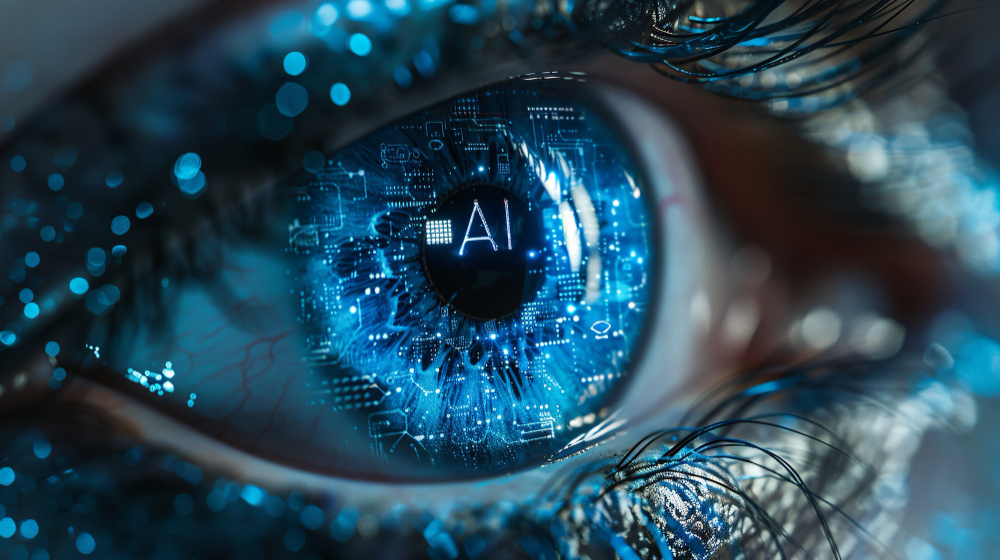
The Rise of Creative Machines: Artists in the Age of Algorithms

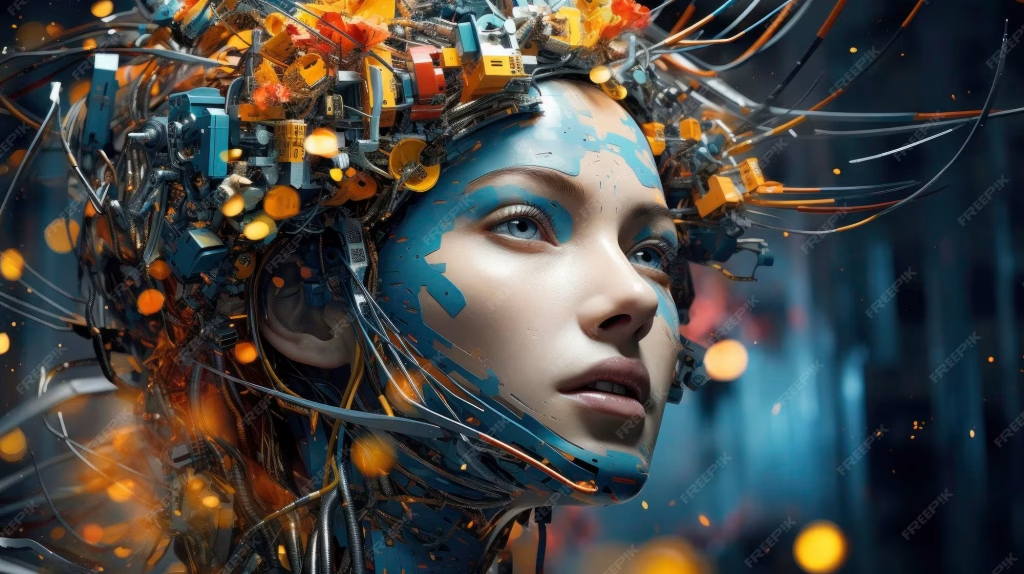

The Rise of Creative Machines: Artists in the Age of Algorithms
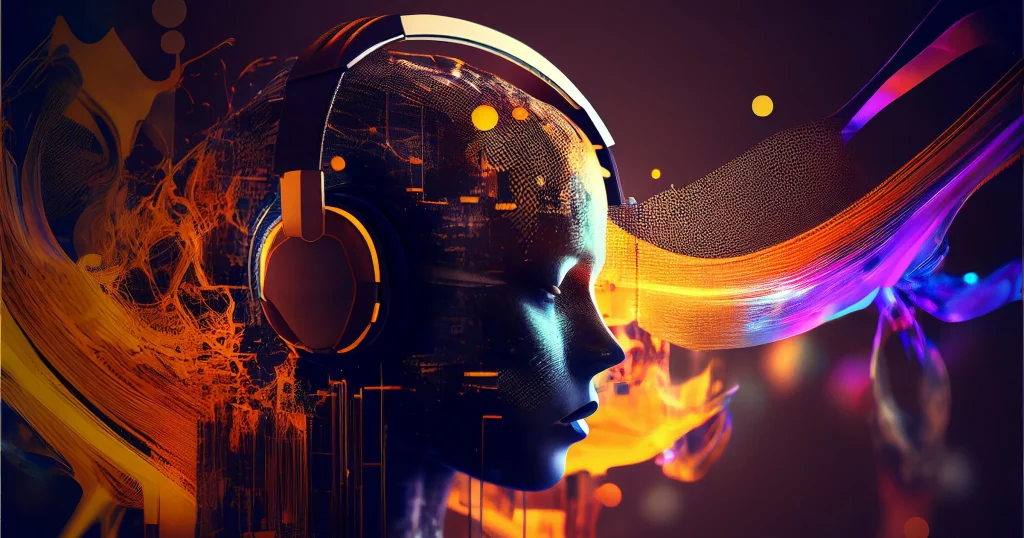
Imagine this: you’re sitting in your cozy living room on a rainy Sunday afternoon, sketchbook in hand, ready to create your next masterpiece. Your phone buzzes; it’s a friend sending you a digital painting created by an AI. As you marvel at the vibrant colors and intricate details, a thought crosses your mind, “Did a machine really do this?” Welcome to the age where algorithms are donning the artist’s beret and stepping onto the creative stage.
A New Kind of Artist: The Creative Machine
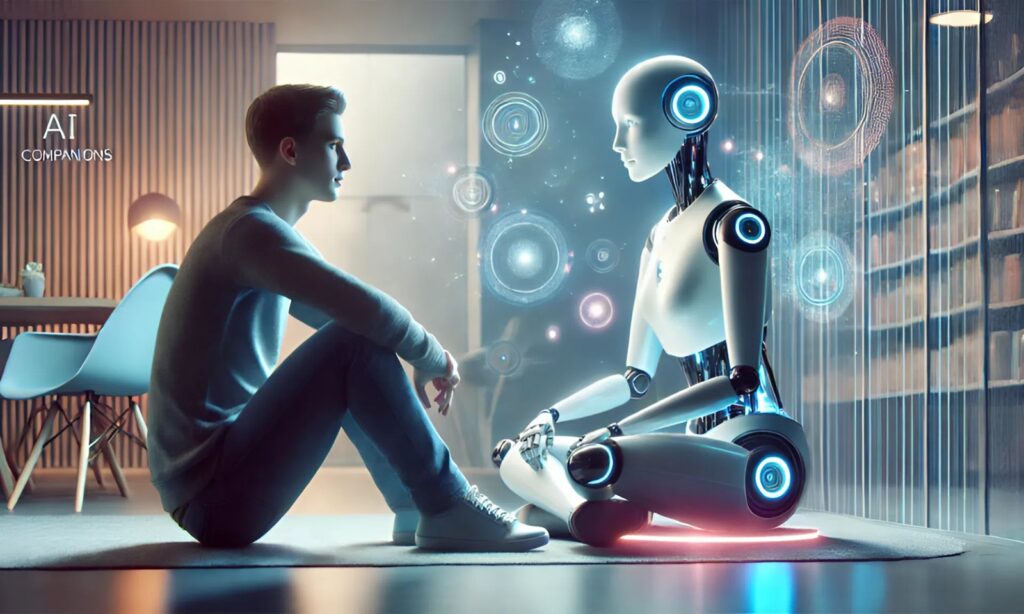
In today’s world, artificial intelligence is no longer just for those sci-fi movies where machines rise up and take over. Instead, they’re serving as our creative companions, reshaping industries and challenging what we know about creativity itself. But what does this mean for artists who have long relied on human intuition and emotion to create? Let’s dive deeper and find out.
The Emotional Ties Between AI and Us
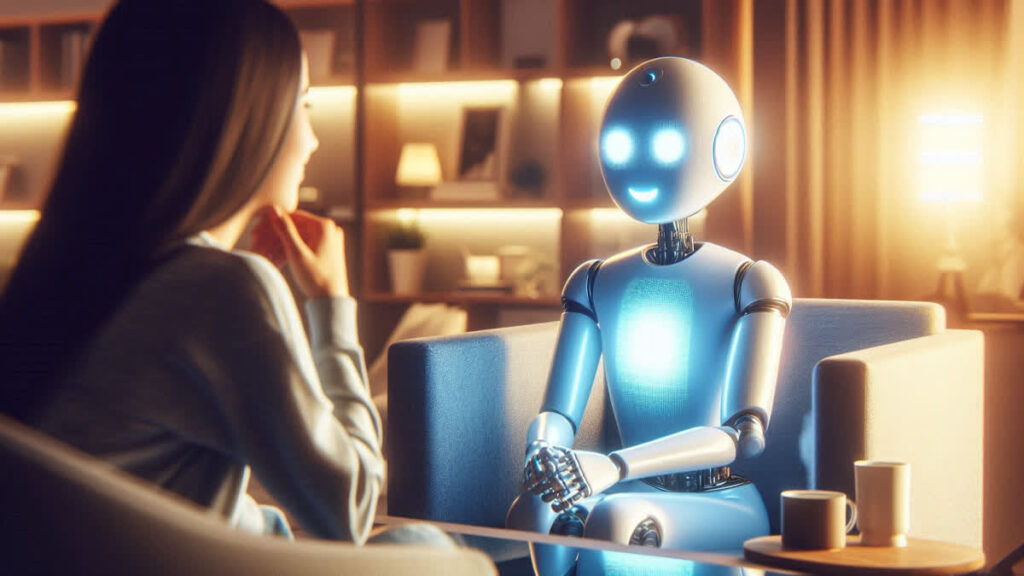
The idea of AI and emotions being intertwined might sound like a match from one of those bizarre reality shows, but it’s happening right in front of our eyes. Take, for example, AI chatbots that can sense your emotional state from the way you type. They pick up on cues and adapt their responses accordingly, almost like the digital equivalent of reading your best friend’s expressions. It’s no Picasso, but hey, they’re trying.
Where Machines Excel and Where They Fumble
AI has come a long way in learning emotional intelligence, but can they truly understand it? They can mimic emotions, generating empathetic dialogue or creating art that suggests a particular mood. Remember when your favorite virtual assistant anticipated your song choice because you were in a certain mood? Yeah, AI is gamifying emotions, and it’s not far off from having your pets try to console you—it gets some parts and completely misses others.
Where AI shines is in pattern recognition and data processing—areas where it outpaces human capacity by light years. Algorithms can sift through data, learn about styles, and create artistic pieces based on complex mathematical patterns as effectively as your loved one can pick up your recent mood change. Yet, they are still far from achieving genuine emotional intelligence.
Real-World Inspirations: AI in Action
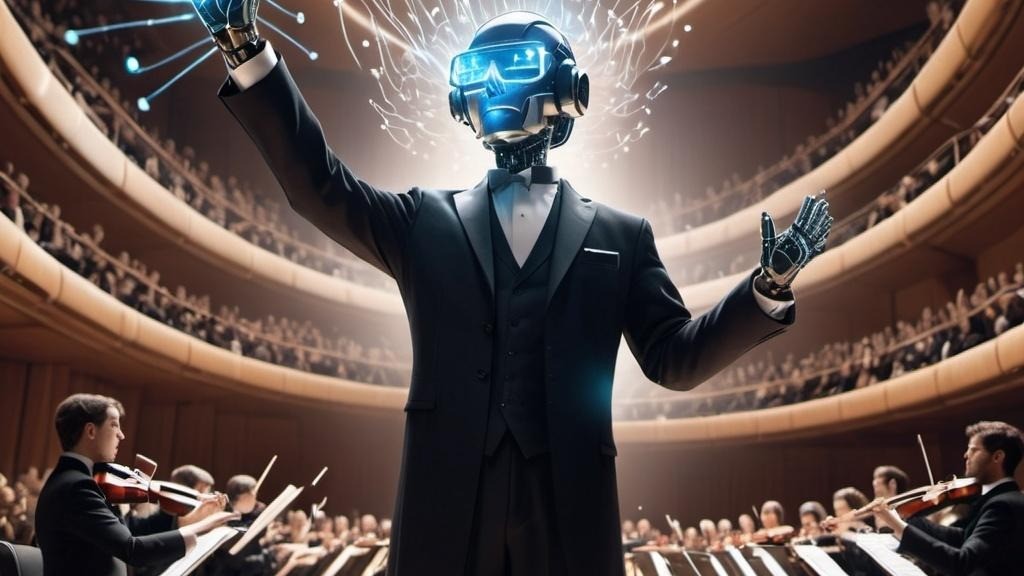
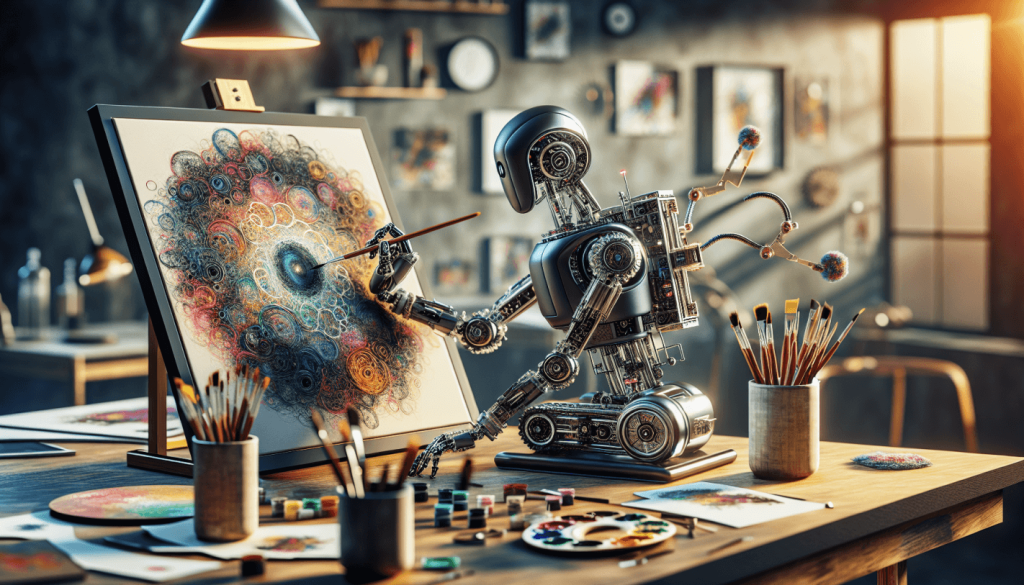
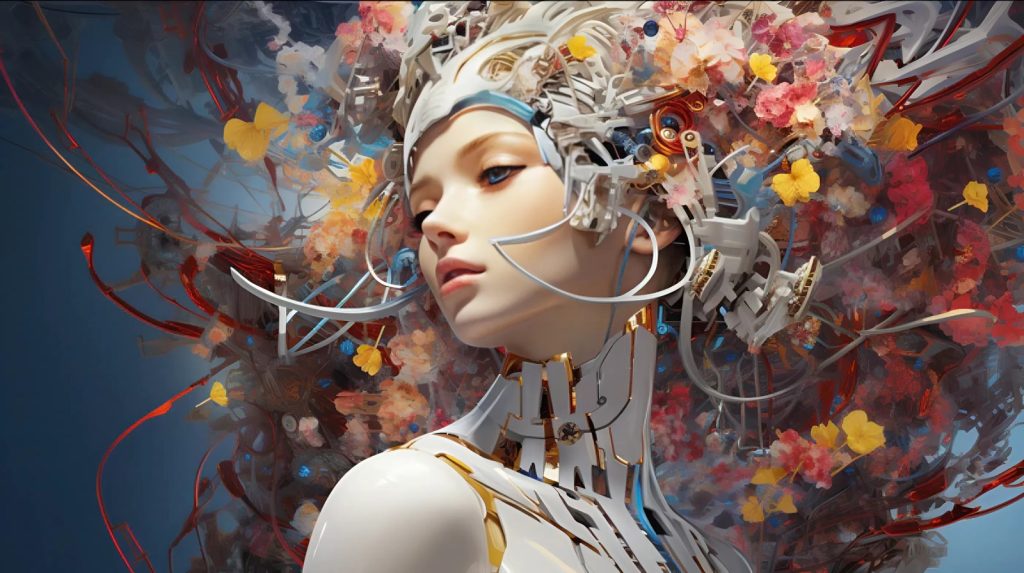
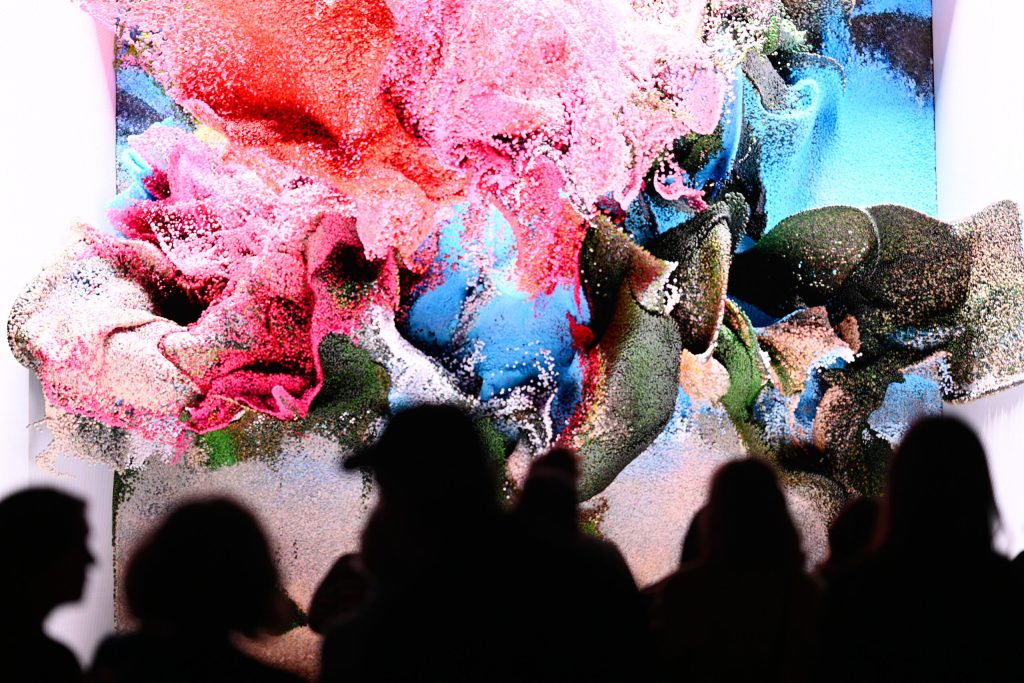
AI’s grasp on creativity is showcased marvelously through real-world applications. Picture this: an AI composing symphonies, much like a digital Beethoven. Or perhaps you’re more inclined toward visual arts—AI-generated paintings have lit up galleries worldwide, making headlines with pieces fetching high prices at auctions.
Think about emotion-recognition tools that help marketers understand consumer reactions, effectively acting as a gut-check before a major campaign launch. It’s like having a digital crystal ball, minus the mysterious fortune teller with an affinity for cat videos.
The Battle Between Mindful Machines and Spontaneous Humans
While AI can emulate a wide range of emotions, its creations can sometimes lack the serendipity and raw emotion found in human artistry. Ask any artist about their process, and they’ll probably tell you there’s a certain magic in the spontaneity and unpredictability—a quality that machines find elusive.
AI may sculpt the next big thing in art, but will it replicate the heartache behind a Van Gogh or the despair in a Kafka novel? The logical mind of a machine can’t fully appreciate the value of burning your toast like a blackened baseball or the profound revelation of realizing that toilet paper is, indeed, out of stock. There’s an emotional soup in human experiences that AI is still learning to cook.
Wrapping It Up: Are We Ready for the Emotional Dance?
As the curtain falls on our exploration of AI in the creative realm, it’s clear we’re in for an exciting ride. AI is an invaluable tool, helping to unlock new creative potentials and possibilities. However, while machines continue to grow in their emotional understanding, they aren’t ready to replace the soul-driven art of humans just yet.
In the end, collaboration between humans and AI offers a unique fusion of perspective and innovation. So next time your AI-driven coffee machine gives you the silent treatment for forgetting to add beans (again), remember that it’s just the start of a beautiful, albeit complex, relationship with our digital counterparts.
Here’s a parting thought—what if we can learn from AI as much as it learns from us, creating a dance of emotions that leads to new heights in creativity? Only time will tell, but it’s a journey guaranteed to be full of surprises and unforgettable masterpieces.